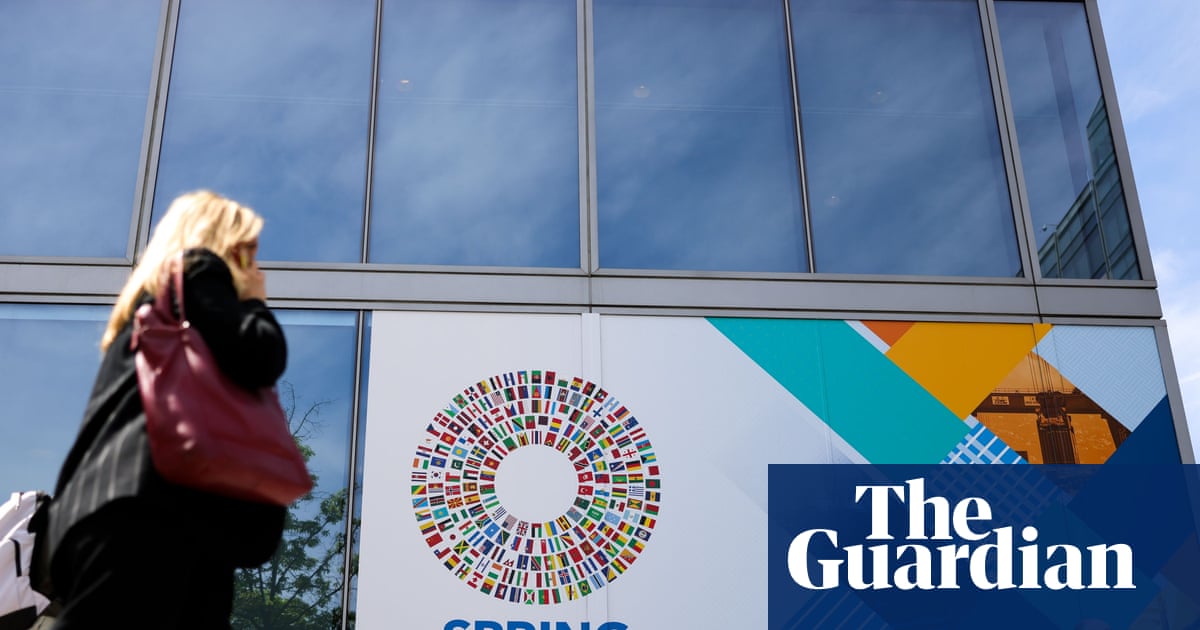
Imagine walking into a room where everyone's worried about the same problems, but nobody can quite agree on the solutions. That's essentially what happened at the International Monetary Fund's spring gathering in Washington this week, where the specter of Middle East conflict loomed large over economic discussions.
The situation paints a grim picture for the global economy. We're facing the most severe energy shock since the 1970s—a time many older economists still reference with caution. Combined with mounting recession risks and households everywhere struggling with soaring costs of living, the perfect storm seems to be forming. Those hit hardest by these economic headwinds? The world's most vulnerable populations.
One attendee captured the zeitgeist perfectly, describing the current moment as a "twilight zone." That phrase resonates because it perfectly captures the surreal nature of our present circumstances: real economic dangers mixed with geopolitical uncertainty, creating an atmosphere where nobody quite knows what comes next.
What makes this gathering particularly significant is how Iran tensions have become impossible to ignore in economic policy discussions. Typically, central bankers and finance ministers focus on interest rates, inflation targets, and growth projections. But this week, those conversations kept circling back to one uncomfortable reality: energy markets are vulnerable, and any further escalation could send oil prices skyrocketing.
The energy shock component can't be overstated. Oil price volatility doesn't just affect what you pay at the pump—it ripples through every sector of the economy. Manufacturing costs rise. Transportation becomes more expensive. These increases eventually find their way into consumer prices, from groceries to utilities.
For policymakers, the challenge is particularly thorny. Traditional tools for managing recession risk—like lowering interest rates—could further fuel inflation. Conversely, aggressive rate hikes designed to tame inflation could tip economies into recession faster.
The gathering in Washington reflected this tension. Behind closed doors, officials grappled with questions that have no easy answers: How do we manage inflation without crushing growth? How do we prepare for potential energy shocks? And how do we protect the most vulnerable while navigating uncertainty?
The consensus seemed to be cautious optimism mixed with genuine concern. The global economy isn't in free fall—yet. But the twilight zone that one observer described? That's where we are now: suspended between hope and worry, with the Middle East situation adding another layer of unpredictability to an already complex equation.
No comments yet. Be the first!