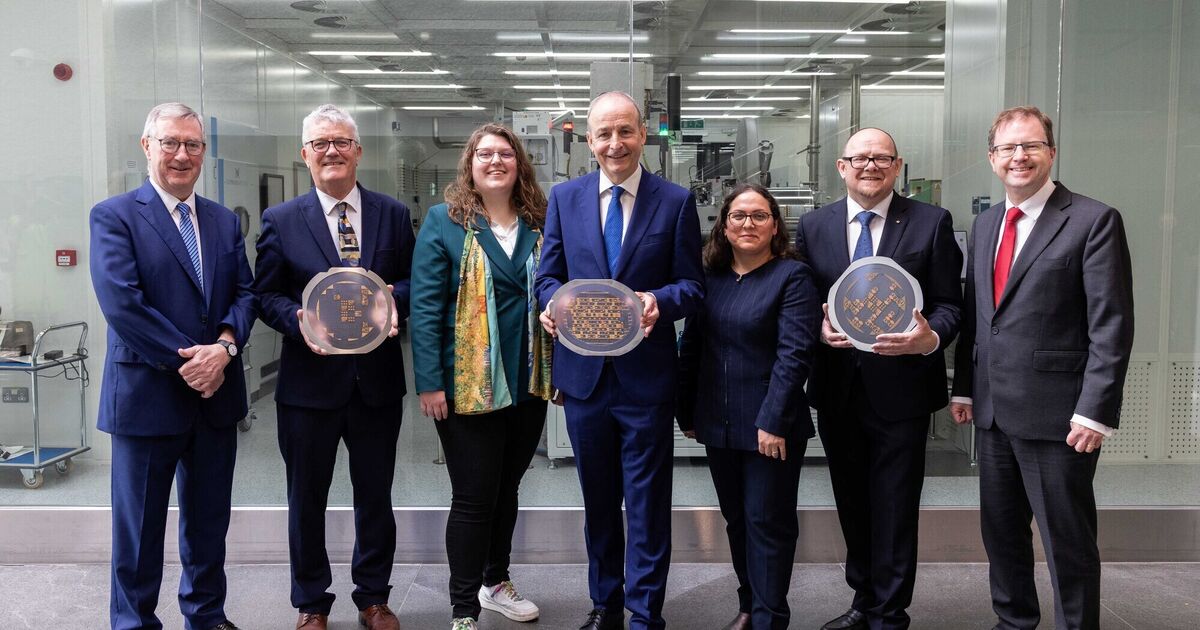
Cork is about to get a major boost in research and innovation. The Tyndall National Institute has just launched 'Tyndall 2030', an ambitious strategic plan that will see around 170 new staff members hired over the next five years. Taoiseach Michaeál Martin unveiled the plan, signaling strong government support for this Cork-headquartered research institution.
But what exactly does this mean for the region? The Tyndall 2030 plan is much more than just job numbers. It's a comprehensive roadmap designed to position Tyndall as a leading research center on both national and international stages. The institute has clearly identified where it wants to go and how it plans to get there.
For Cork's economy, this is genuinely exciting news. New research positions typically attract talented professionals, many of whom will relocate to the region. This creates a ripple effect—more workers mean more spending in local shops, restaurants, and services. It also strengthens Cork's reputation as a hub for cutting-edge research and technology.
The expansion also signals confidence in Tyndall's research capabilities and potential impact. Whether it's developing new technologies, conducting breakthrough research, or training the next generation of scientists, the institute clearly has ambitious goals. The five-year timeline gives the organization a realistic but focused window to achieve meaningful growth.
What's particularly noteworthy is the government's backing of this plan. When the Taoiseach personally launches a strategic initiative, it reflects genuine political commitment to supporting research infrastructure. This kind of support often comes with funding and policy frameworks that enable institutions to thrive.
For those interested in research careers or technology sector jobs, Tyndall's expansion is worth watching. The recruitment process will likely begin soon, and positions could range from scientific researchers to administrative and support staff.
The bottom line? Tyndall 2030 represents a significant investment in Cork's future. With 170 new staff members coming on board, the institute is primed to make even greater contributions to scientific advancement while strengthening the regional economy. It's the kind of strategic growth that benefits not just the institution, but the entire Cork community.
No comments yet. Be the first!