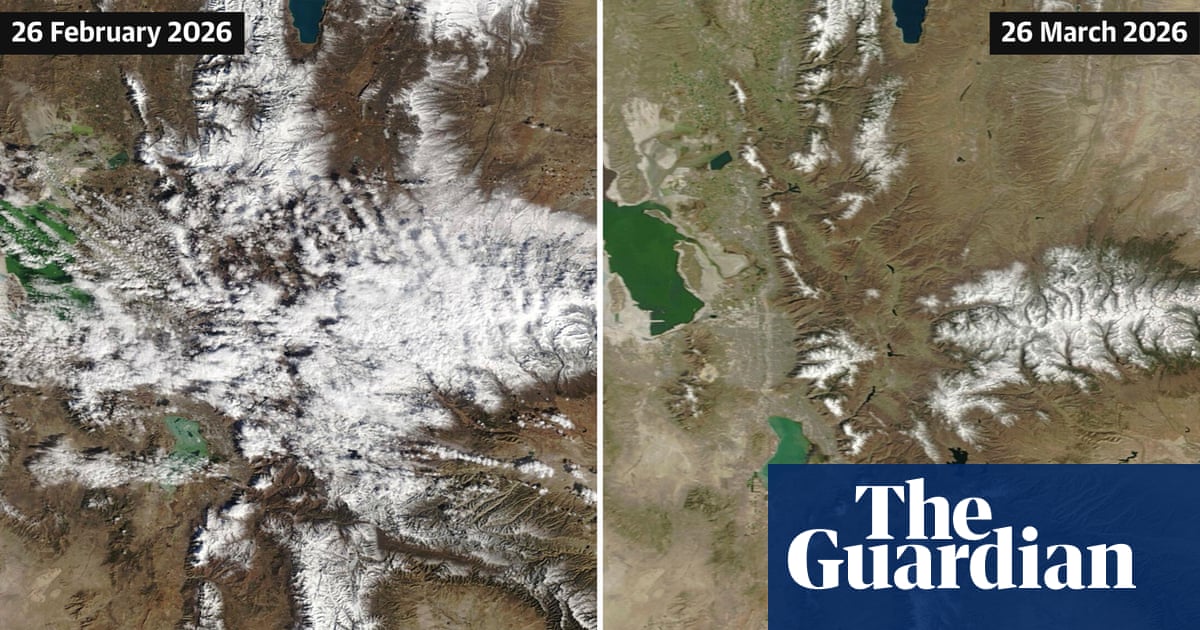
The American West is facing an unprecedented crisis that few saw coming with such intensity. Snow surveys conducted across the region this week have revealed what experts are calling a 'whole other level' of concern: the critical snowpack that feeds rivers, reservoirs, and millions of people is at record-low levels.
The culprit? A historically warm winter followed by searing March temperatures that have accelerated snowmelt far earlier than typical. Scientists studying the snowpack—the accumulated snow that acts as nature's water storage system—are stunned by the severity of conditions they're documenting.
'This is beyond what we typically prepare for,' according to water management officials who monitor these vital resources. The implications are staggering. The snowpack serves as a natural reservoir for the entire western United States, slowly releasing water through spring and summer when it's needed most for agriculture, drinking water, and hydroelectric power.
What makes this year particularly alarming is the timing and speed of the melt. Warmer temperatures mean snow that should sustain the region through dry months is disappearing weeks earlier than normal. This compression of the water supply cycle creates a cascading problem: peak flows arrive before they're needed, while late-season demand goes unmet.
For farmers relying on irrigation, hydroelectric operators, and cities planning water allocation, the message is clear—2024 will test the limits of existing water management systems. The Colorado River, which supplies water to roughly 40 million people across seven states, is already strained. Lake Mead and Lake Powell, the two largest reservoirs in the country, face renewed pressure.
Climate scientists note this isn't an isolated event but part of a troubling trend. As global temperatures climb, the reliability of snowpack as a water source diminishes. The West's entire infrastructure—built on assumptions about stable snow and water patterns—now faces a fundamental challenge.
While emergency measures and conservation efforts will help manage the immediate crisis, experts agree the region must confront a larger reality: adapting to a future with less snow and less predictable water availability.
No comments yet. Be the first!