When mRNA therapies first burst onto the scene, they seemed like medical magic. But behind the scenes, researchers have been wrestling with a stubborn problem: getting mRNA where it needs to go inside the human body.
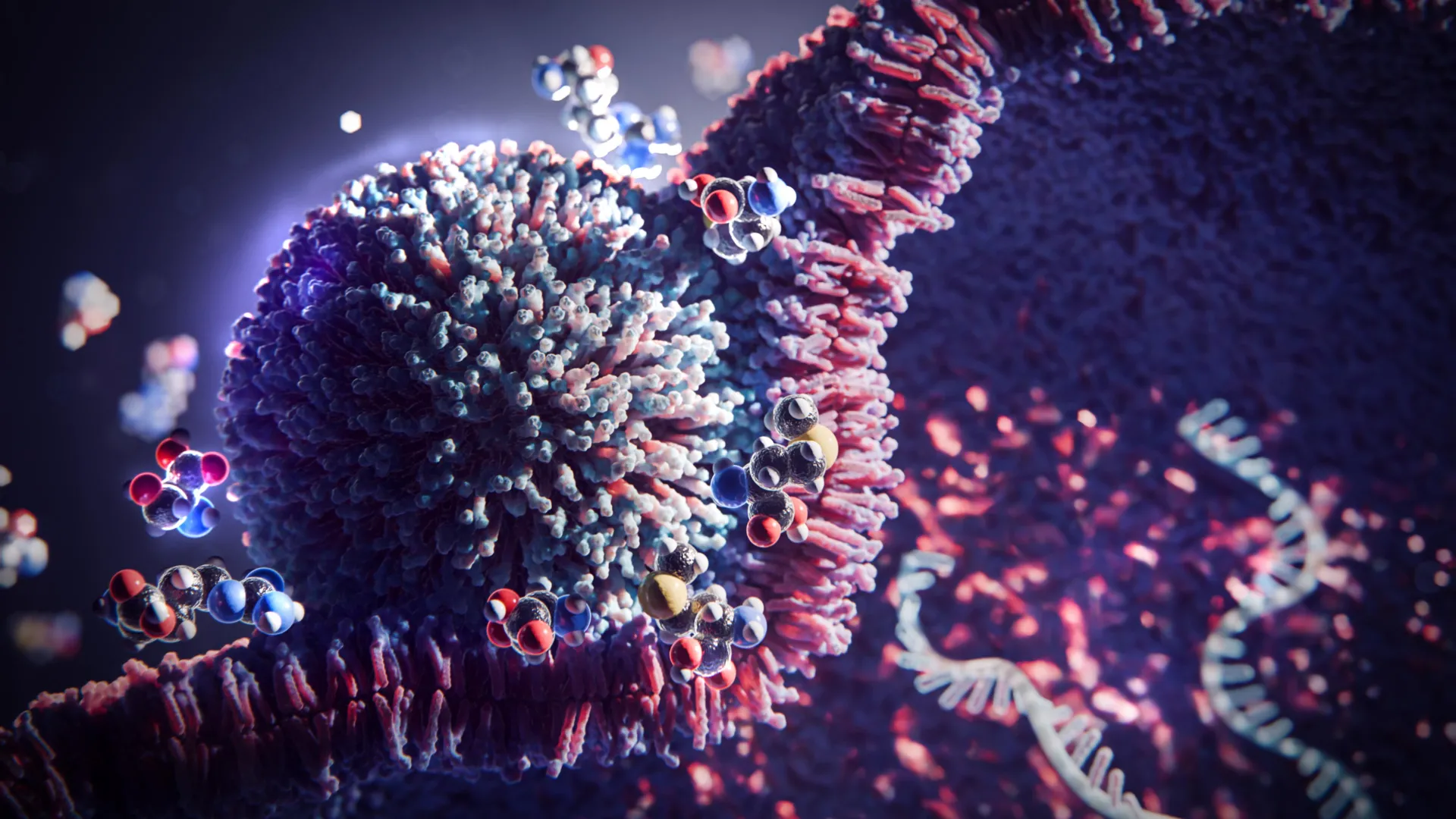
The challenge lies in lipid nanoparticles—tiny fatty spheres that carry mRNA into cells. In the controlled environment of a lab, these carriers work beautifully, merging with cell membranes and releasing their genetic cargo with impressive efficiency. But the human body is far messier than a petri dish. Once these nanoparticles enter the bloodstream, they encounter immune cells, proteins, and countless biological obstacles that prevent them from reaching their targets.
Enter three humble amino acids: a discovery so elegant it might seem almost too simple.
Researchers realized that by engineering the proteins on the surface of lipid nanoparticles with just these three amino acid modifications, they could dramatically improve how effectively the particles reach their destination. The results are stunning—up to a 20-fold increase in therapeutic effectiveness.
What makes this breakthrough particularly exciting is its simplicity and accessibility. Unlike complex new technologies requiring expensive infrastructure or years of additional development, this approach integrates seamlessly into existing mRNA therapy production methods. This means it could be implemented relatively quickly across multiple therapeutic approaches.
The implications are profound. More effective delivery means smaller doses could achieve the same results, reducing side effects and costs. It means therapies currently in development could become viable. It means patients waiting for life-saving treatments might not have to wait as long.
This discovery exemplifies how sometimes the biggest breakthroughs come not from radical reinvention, but from understanding the fundamental challenges and making targeted, intelligent adjustments. Three amino acids. That's all it took to potentially revolutionize how mRNA therapies work in real patients.
As mRNA medicine continues evolving, innovations like these remind us that we're still in the early chapters of this medical story. And the best chapters may be yet to come.
No comments yet. Be the first!