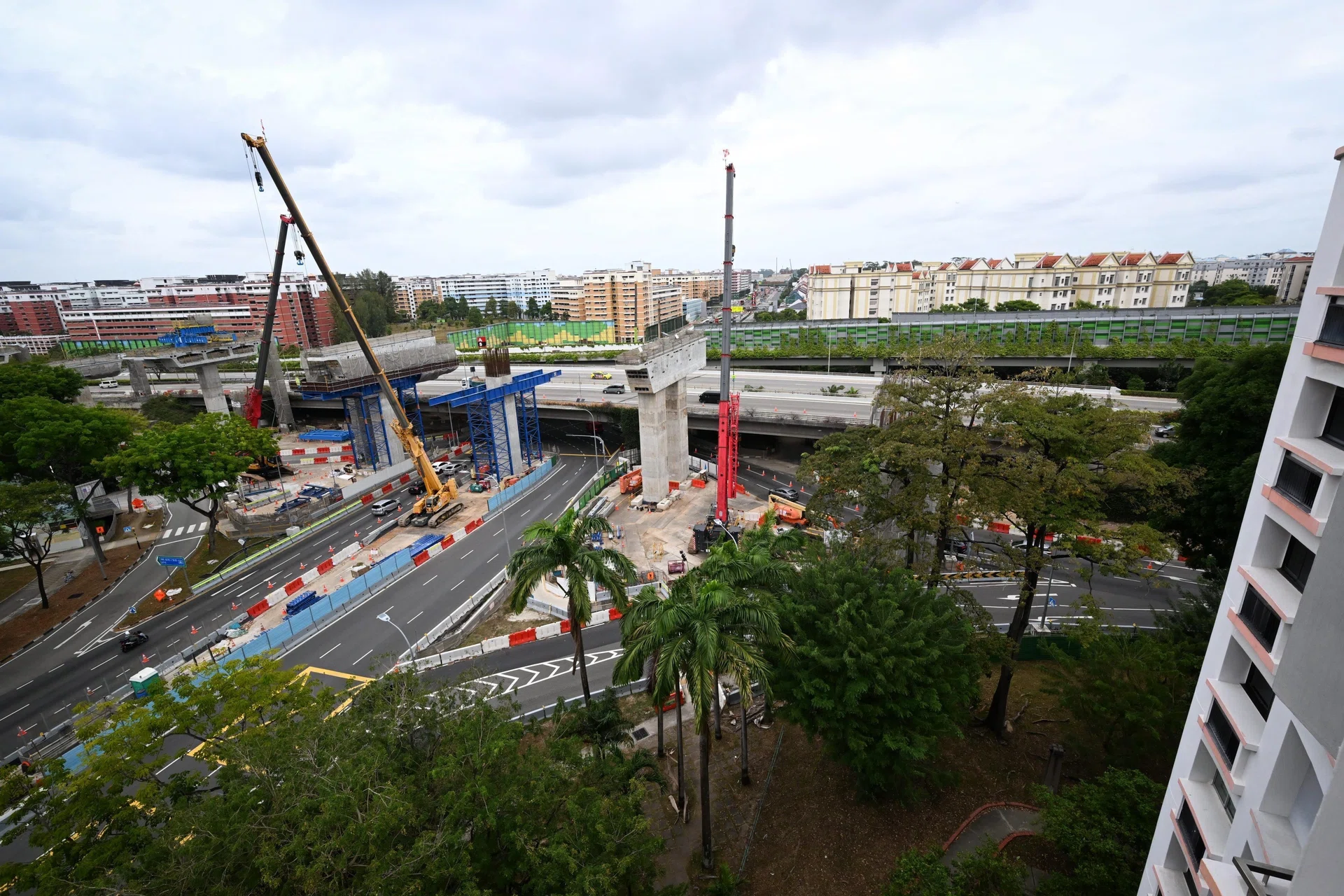
Singapore's construction industry is facing unprecedented headwinds. While the city-state's project pipeline remains robust, the sector is grappling with a mounting cost crisis that threatens to squeeze already-thin margins for many operators.
The culprit? A volatile combination of soaring energy prices and fractured global supply chains. With diesel costs climbing and freight disruptions becoming the new normal, construction firms are finding themselves caught between rising operational expenses and contractual obligations that haven't kept pace with market realities.
**The Squeeze on Fixed Contracts**
For many Singapore-based construction companies, the situation is particularly acute. Those locked into fixed-price contracts signed before the recent cost surge are bearing the brunt of the impact. Unable to renegotiate terms retroactively, these operators must absorb the difference between their original budgeted costs and the sharply elevated prices they're now paying for diesel fuel and materials.
Diesel isn't just a peripheral cost—it's central to construction operations. From powering heavy machinery and generator sets to fueling logistics vehicles that transport materials across the island and region, elevated diesel prices directly impact the bottom line of virtually every project.
**A Compounding Challenge**
The diesel spike comes at a particularly challenging time for Singapore's construction sector. The industry is already straining under the weight of manpower shortages, a perennial challenge that limits project velocity and adds labor cost pressures. Simultaneously, the packed project pipeline—a sign of healthy market demand—means contractors cannot simply pause operations to wait for more favorable conditions.
This combination creates a paradoxical situation: high demand for construction services is good for business volume, but the operational constraints and cost pressures mean profitability is being squeezed despite robust project activity.
**Supply Chain Disruptions Extending Beyond Fuel**
While diesel prices grab headlines, the broader shipping and supply chain disruptions are equally problematic. Global logistics routes remain unstable, creating unpredictability in material delivery schedules and costs. Construction materials—from steel reinforcements to specialized equipment—face longer lead times and variable pricing, making project planning and budgeting increasingly difficult.
**What's Next?**
For Singapore's construction operators, several paths forward exist. Some are renegotiating contracts with clients and suppliers, leveraging force majeure clauses or change order provisions. Others are investing in more fuel-efficient equipment or exploring alternative energy sources. Still others are optimizing logistics and supply chains to mitigate the impact of disruptions.
However, without significant intervention or market stabilization, the pressure will likely persist. The sector must adapt swiftly, finding innovative solutions to manage costs while maintaining delivery commitments.
The construction industry has weathered many storms before, but this convergence of challenges—energy costs, supply chain fragmentation, manpower constraints, and contractual rigidity—represents a unique test. How Singapore's construction firms navigate this period will likely shape the sector's resilience and competitiveness for years to come.
No comments yet. Be the first!