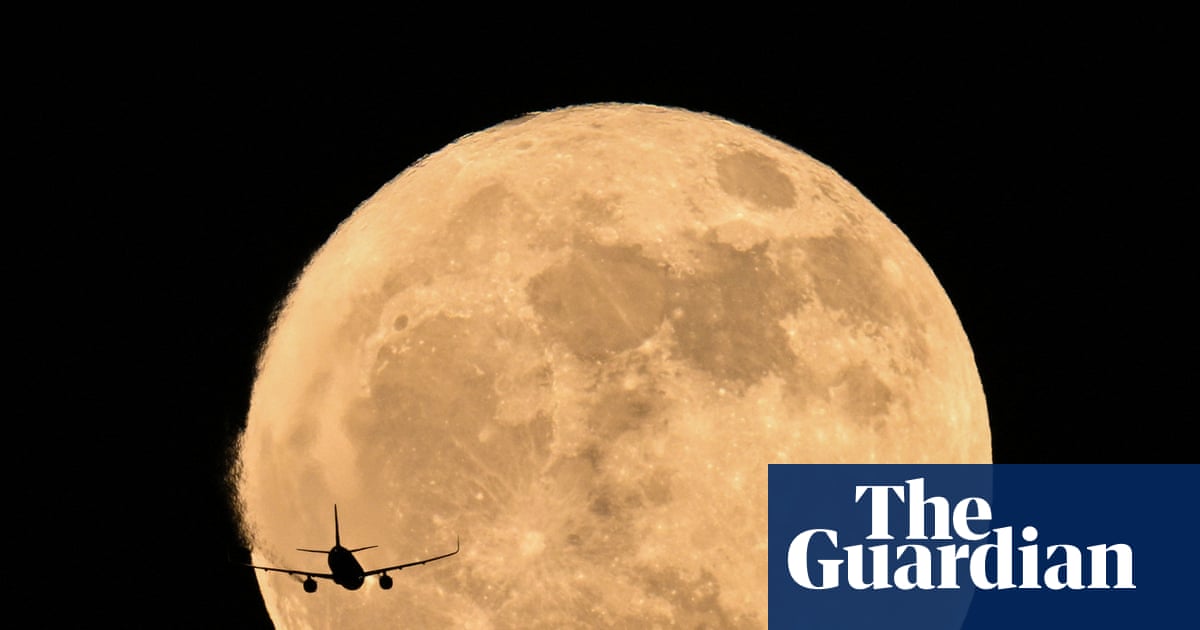
When Apollo astronauts returned from the moon with rock samples in their pockets, they brought back more than just lunar souvenirs. Embedded within those ancient stones was a scientific puzzle that has stumped researchers for half a century: evidence that the moon once possessed an extraordinarily powerful magnetic field.
The mystery deepened as scientists analyzed these samples. The magnetization in the rocks suggested that early in the moon's history—billions of years ago—it boasted a magnetic field that actually exceeded Earth's current magnetic strength. For a celestial body as small as the moon, this seemed almost impossible. How could something so comparatively tiny generate such an intense magnetic force?
This question has haunted planetary scientists ever since. Earth's magnetic field is generated by convection in our planet's liquid outer core, a massive engine of molten metal constantly in motion. The moon, by contrast, is far smaller and has cooled considerably over billions of years. The conventional understanding of planetary magnetism suggested that the moon simply shouldn't have been capable of producing such a powerful field.
Enter the new study. Researchers have finally cracked this long-standing mystery, offering compelling explanations for how the early moon could have generated its surprisingly intense magnetism. While the exact details of their findings point to mechanisms previously underestimated in the moon's magnetic history, the discovery promises to reshape our understanding of both lunar geology and the broader history of our solar system.
The implications are profound. If the moon could generate such a strong magnetic field during its youth, it suggests that early planetary and lunar bodies may have possessed more dynamic interiors than scientists previously believed. This challenges our assumptions about how magnetic fields develop and persist in smaller celestial bodies—knowledge that could inform our understanding of magnetism on other moons throughout the solar system and beyond.
Moreover, this discovery offers a window into the moon's early thermal history. A powerful magnetic field requires an energetic, active core, suggesting the moon was far more geologically active in its youth than the relatively quiet, cratered world we observe today. Understanding this transition from a magnetically dynamic moon to the dormant satellite we know today helps us piece together the broader story of the moon's evolution.
For planetary scientists, this breakthrough represents more than just answering a nagging question. It's a reminder that our nearest celestial neighbor still holds secrets waiting to be uncovered. As we prepare for a new era of lunar exploration, with plans for sustained human presence on the moon's surface, these insights into our satellite's magnetic past will prove invaluable. They deepen our appreciation for the complex, dynamic world that has orbited Earth for 4.5 billion years—a world that, it turns out, was once far more magnetically impressive than we ever imagined.
No comments yet. Be the first!