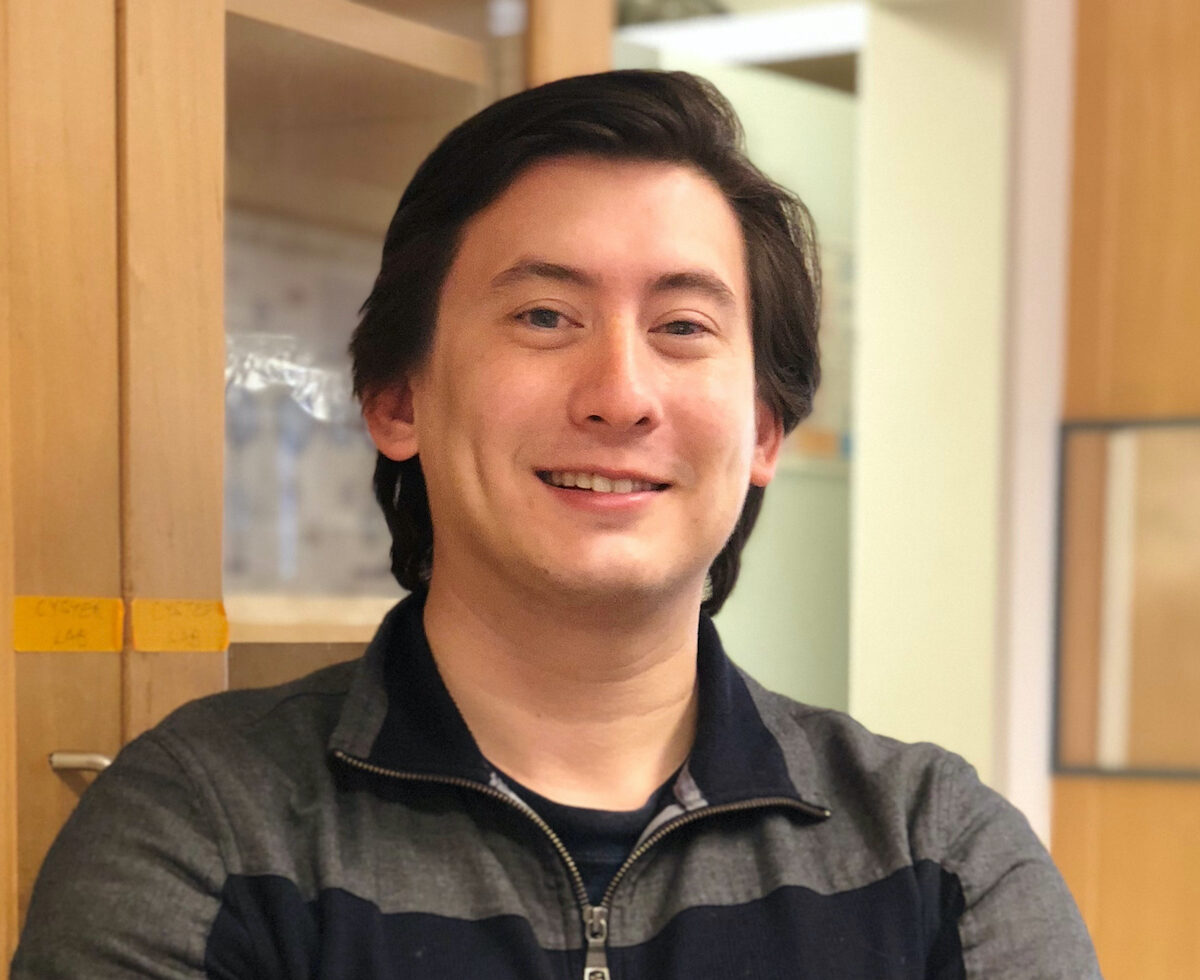
Our immune systems are sophisticated defenders against harmful invaders, but new research reveals they sometimes work against us. A groundbreaking study from the Dang Lab at the Ragon Institute of Mass General Brigham, MIT, and Harvard has identified a critical flaw in how our bodies fight dangerous fungal infections.
Published in the Journal of Experimental Medicine, the research uncovers a counterintuitive truth: the body's own immune response inadvertently shields a deadly fungal pathogen from elimination. This discovery explains why certain fungal infections persist despite our best defensive efforts.
The findings center on how immune cells interact with fungal pathogens in ways that actually promote the pathogen's survival. Rather than launching an effective assault, immune mechanisms create an environment where the fungus can thrive. It's a biological irony that has major implications for treating infections that have plagued immunocompromised patients and those with chronic fungal diseases.
Understanding this mechanism opens new therapeutic avenues. Instead of simply boosting immune responses—the traditional approach—doctors may need to recalibrate how the immune system engages with these pathogens. By blocking the protective mechanisms that currently shield the fungus, researchers could potentially enhance the body's ability to eliminate these dangerous infections.
This research is particularly significant for vulnerable populations, including patients with HIV/AIDS, organ transplant recipients, and those undergoing intensive cancer treatment. Fungal infections in these groups can be life-threatening and remarkably difficult to treat with existing antifungal medications.
The Dang Lab's work represents a paradigm shift in immunology and mycology. Rather than asking "how can we boost immunity," scientists are now asking "how can we prevent immunity from protecting the invader?" This reframing could lead to more effective treatments and better outcomes for patients suffering from persistent fungal infections.
As this research develops, it promises to transform clinical approaches to fungal diseases that currently have limited treatment options. The implications extend beyond individual patients to public health strategies for managing fungal epidemics.
No comments yet. Be the first!