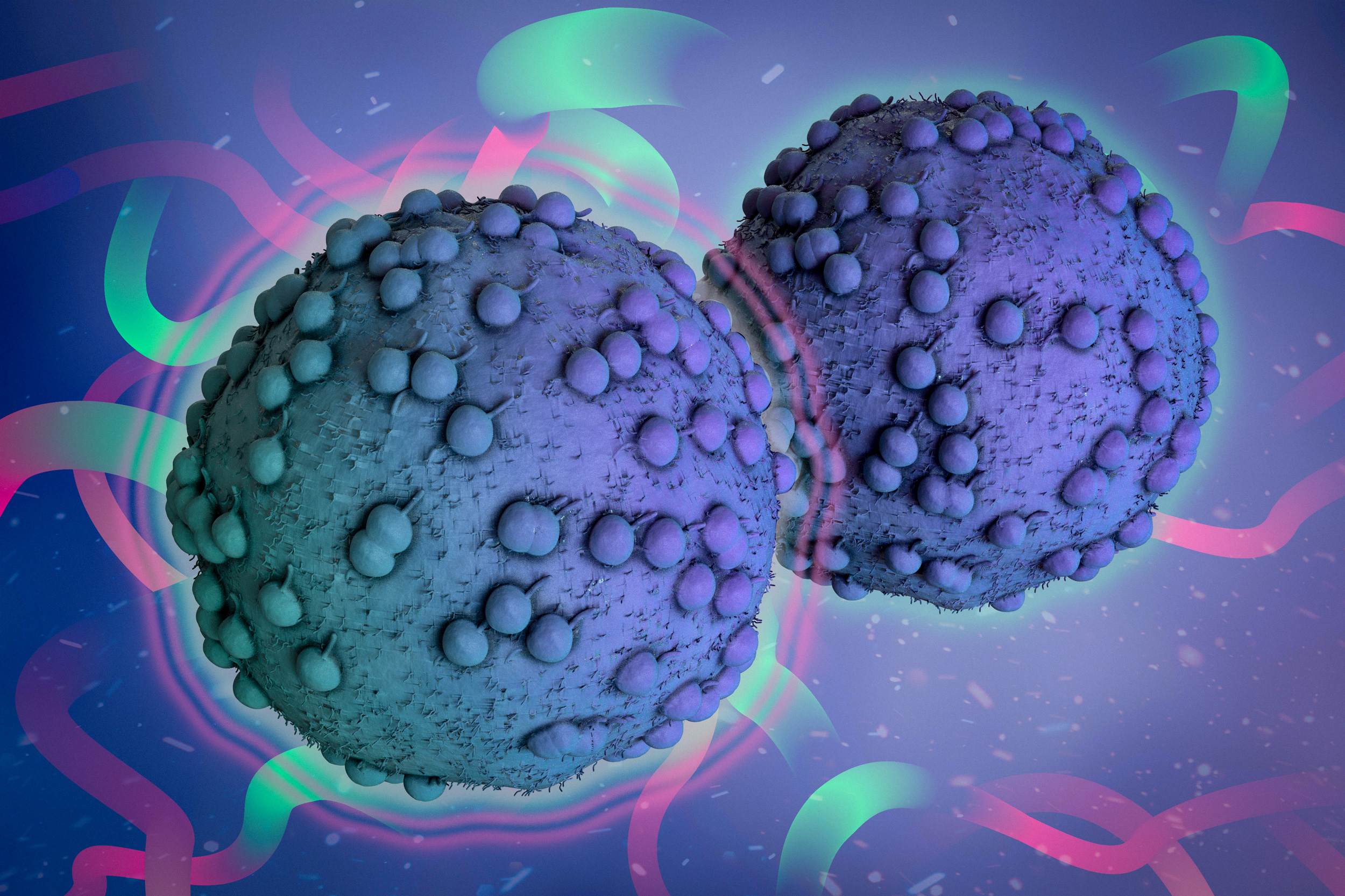
Cancer treatment has come a long way. Drugs that block enzymes called tyrosine kinases represent some of the most effective targeted therapies available, offering hope to thousands of patients every year. Yet here's the frustrating reality: these promising medications typically only work for 40 to 80 percent of patients who are expected to respond to them.
Why the massive gap? Why do some patients see their tumors shrink while others see no improvement at all?
MIT researchers decided to dig deeper into this mystery, and their findings are illuminating. The answer, it turns out, isn't that the drugs are ineffective—it's that cancer cells are remarkably cunning shapeshifters.
**The Plot Twist Cancer Cells Discovered**
Cancer cells have an uncanny ability to adapt and survive. When faced with a tyrosine kinase inhibitor, some tumor cells don't simply surrender. Instead, they undergo genetic and epigenetic changes that allow them to resist the medication. Think of it like bacteria developing antibiotic resistance, except far more complex.
The MIT study reveals that even before patients begin treatment, some tumors contain cellular populations that are already primed to resist these drugs. In other cases, resistance develops during treatment as cancer cells evolve under the pressure of the therapy. This pre-existing or rapidly emerging resistance explains why certain patients see their cancers stop responding after an initial period of improvement.
**What This Means for Patients**
Understanding these resistance mechanisms is crucial because it opens new doors for treatment strategy. Rather than viewing a drug's failure as the end of the road, doctors can now better predict which patients might develop resistance and potentially combine therapies to prevent it from happening in the first place.
This research also highlights why personalized medicine is so critical in oncology. Two patients with seemingly identical cancers may have fundamentally different cellular populations at the microscopic level. A treatment that works brilliantly for one patient might fail for another—not because the drug is broken, but because their cancer's biology is different.
**The Path Forward**
The implications extend beyond understanding the problem. Armed with knowledge of how and why resistance develops, researchers can now design better drug combinations and treatment schedules. Some patients might benefit from switching drugs before resistance fully takes hold. Others might need simultaneous treatment with multiple agents that target different resistance pathways.
This study represents exactly the kind of foundational research that transforms cancer treatment from a guessing game into precision medicine. By unmasking why cancer therapies fail for some patients, MIT scientists have provided a roadmap for making these life-saving drugs work better for more people.
The fight against cancer isn't won by individual breakthroughs—it's won through persistent investigation into why our best weapons sometimes fall short. This research takes us one step closer to a future where effective cancer therapy isn't about luck, but about understanding each patient's unique cellular landscape.
No comments yet. Be the first!