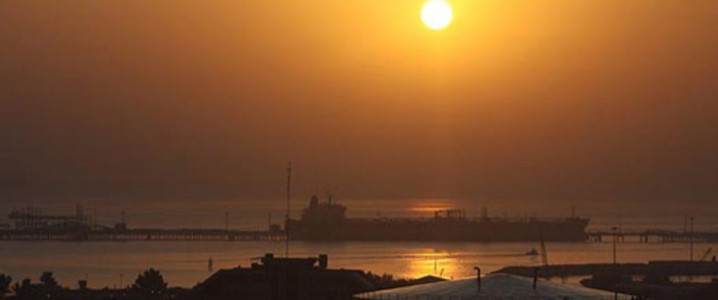
The energy world is holding its breath. Oil markets are increasingly pricing in the very real possibility of sustained disruptions as the situation in the Strait of Hormuz grows more precarious. Export channels are being choked, bypass capacity is overwhelmed, and Gulf supply routes face mounting security threats. Yet beneath the surface of escalating tensions, something unexpected is happening: Iran is quietly courting its neighbors.
This paradox lies at the heart of the current energy crisis. While headlines scream about military escalation and geopolitical brinkmanship, the reality on the ground is far more complex. The Strait of Hormuz, through which a significant portion of global oil passes daily, has become a pressure point that no nation—not even the most hawkish actors—can simply ignore without consequence.
The economics tell the story. Oil markets don't react solely to military threats; they react to the risk of sustained supply disruption. Every attack, every closure, every threat to navigation adds a "risk premium" to crude prices. The question isn't whether disruption is possible—it's whether it's sustainable and at what cost. Current market pricing suggests traders believe disruption could become the new normal, at least for the medium term.
What makes the current situation particularly interesting is the backdrop of diplomatic maneuvering. Iran's quiet outreach to neighboring countries suggests a recognition that military escalation carries risks that even the most resolute players want to manage. This isn't necessarily a sign of weakness; rather, it reflects the sobering reality that an extended energy war benefits no one—not the region, not the global economy, and certainly not Iran's economic interests.
The bypass capacity issue is critical here. While alternative routes exist around the Strait of Hormuz, they're already operating near maximum capacity. There's no realistic way to redirect massive volumes of oil without significant infrastructure investment and time—neither of which exists in a crisis scenario. This leaves the global energy market in a vulnerable position, dependent on the status quo holding even as tensions simmer.
For energy traders and policymakers, the implication is clear: we're not looking at a short-term shock followed by recovery. Instead, the market is pricing in prolonged uncertainty and the potential for recurring disruptions. This elevated "baseline" cost for oil creates real economic headwinds for everyone from airlines to manufacturers to everyday consumers at the gas pump.
The diplomatic quiet from Iran, then, may be the most telling signal of all. It suggests that even as military posturing continues, cooler heads recognize the unsustainability of unlimited escalation. Whether these quiet conversations will prevent a major disruption or simply delay it remains to be seen. For now, energy markets will continue to watch, wait, and price in the worst-case scenario—because in the Strait of Hormuz, worst-case scenarios have a troubling habit of becoming reality.
No comments yet. Be the first!