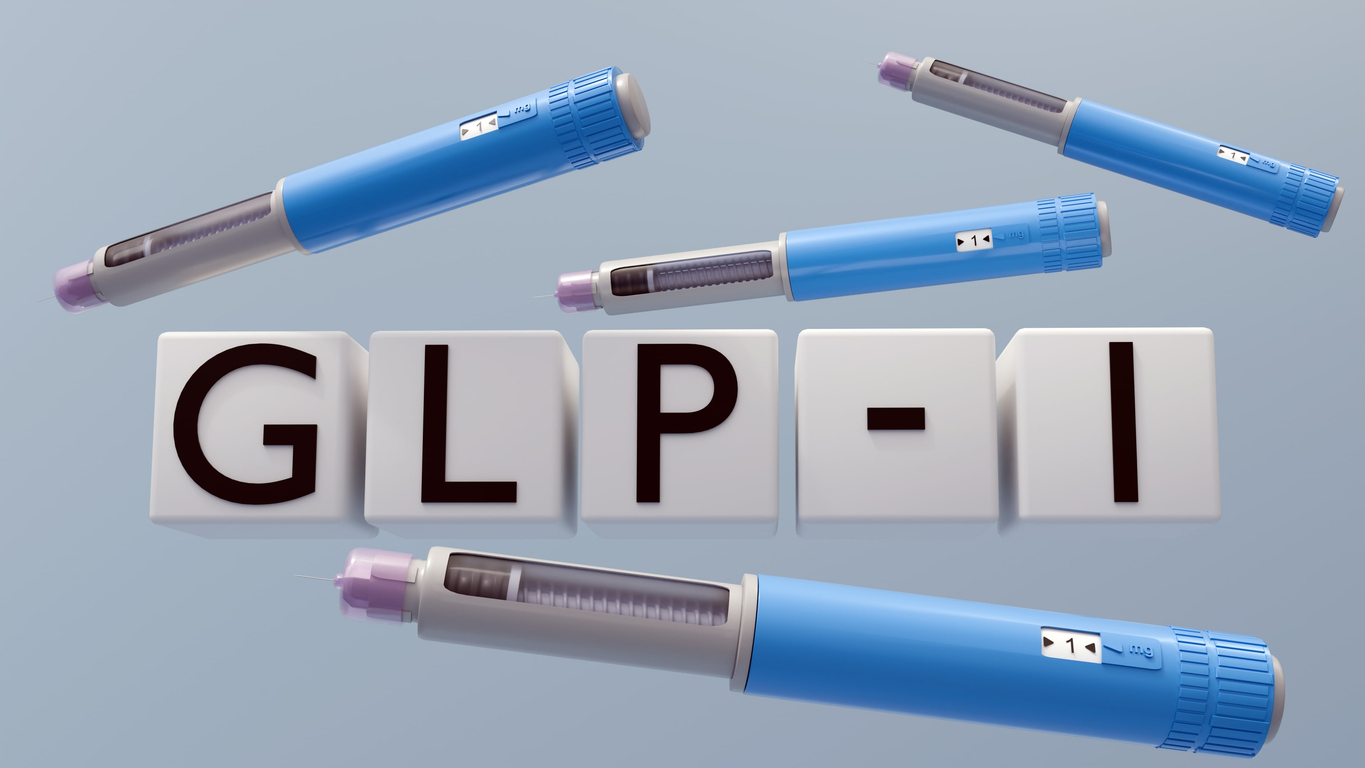
If you've been following the buzz around GLP-1 drugs like Ozempic and Wegovy, you might think they're a magic bullet for weight loss. While these medications have certainly revolutionized how we approach obesity treatment, medical experts are quick to pump the brakes on unrealistic expectations. The reality? GLP-1 therapy works best as part of a comprehensive lifestyle approach—not a replacement for it.
## How GLP-1 Drugs Actually Work
Let's start with what these medications do accomplish. GLP-1 drugs are remarkably effective at helping people feel fuller sooner and regulating blood sugar levels. This makes it easier to eat less without constantly battling hunger cues. For many people, this hormonal support has been genuinely life-changing, allowing them to finally take control of their eating habits in ways that felt impossible before.
But here's where doctors want to set the record straight: medication is only part of the solution.
## The Lifestyle Component You Can't Skip
Poor eating habits don't disappear just because you're taking a GLP-1 drug. In fact, doctors warn that unhealthy food choices can actually backfire, worsening common side effects like nausea and bloating. You might feel less hungry, but if you're reaching for processed foods and large portions, your body will let you know through unpleasant gastrointestinal effects.
This is the critical piece many people miss: taking the medication is just the beginning. You still need to make intentional dietary changes. That means choosing nutrient-dense foods, understanding proper portion sizes, and developing a healthier relationship with eating. The drug makes it easier to do these things, but it doesn't eliminate the need to do them.
## The Long Game: What Happens When You Stop
Another important reality check from medical professionals: GLP-1 therapy is typically long-term. This isn't a quick fix you take for a few months and then forget about. For most people, maintaining weight loss requires continued medication use.
But here's the catch—if someone stops taking their GLP-1 medication, the lifestyle changes must continue. You can't simply go back to your old eating habits and expect to maintain your results. The medication was helping you succeed, but the actual behavioral changes you've made? Those are what will keep you there long-term.
This reality underscores why sustainable weight loss requires a multifaceted approach. The drug addresses the physiological component—hunger hormones and blood sugar regulation—but the psychological and behavioral work falls on you.
## The Bottom Line
GLP-1 medications represent a genuine breakthrough in obesity treatment, offering support that many people desperately needed. But they're most effective when viewed as a tool within a larger framework that includes dietary changes, physical activity, and long-term commitment to healthier habits.
If you're considering GLP-1 therapy, go in with realistic expectations. These drugs are powerful allies in your weight loss journey, but they work best when combined with the lifestyle changes that will ultimately determine your success—whether you're taking medication or not.
No comments yet. Be the first!