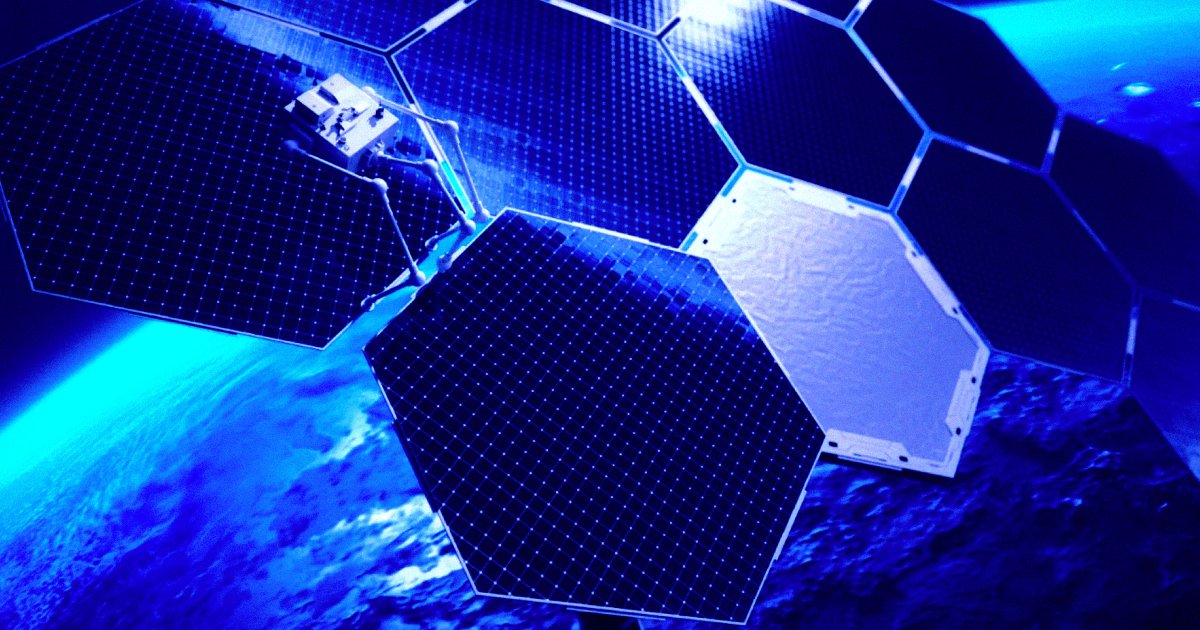
Picture this: humanity finally has reliable internet everywhere on Earth. Sounds great, right? But there's a catch that has the scientific community deeply concerned. SpaceX's latest venture—deploying one million orbital data centers into space—could fundamentally compromise our ability to study the universe.
The vision is undeniably ambitious. By positioning computational infrastructure directly in orbit, SpaceX aims to revolutionize global internet connectivity with unprecedented speed and accessibility. But as with many transformative technologies, the benefits come with significant trade-offs.
Astronomers worldwide are raising the red flag, and their concerns are legitimate. One million orbital data centers would create an unprecedented challenge for ground-based and space-based telescopes. When these facilities operate in Earth's orbit, they reflect sunlight and emit radiation that can interfere with astronomical observations. Imagine trying to photograph a distant galaxy while someone shines a flashlight in your eye—that's essentially what these data centers would do to our telescopes.
This isn't merely a minor inconvenience. Modern astronomy relies on increasingly sensitive instruments designed to detect faint light from the farthest reaches of the universe. These observations help us understand the cosmos's fundamental nature, search for potentially habitable exoplanets, and unlock mysteries about dark matter and the universe's origins. When orbital infrastructure clutters our view, we lose invaluable scientific opportunities.
The scale of the problem is what makes it truly debilitating. Previous satellite mega-constellations, like SpaceX's own Starlink network, have already created documented issues for astronomers. But one million data centers would dwarf those concerns exponentially. The sheer number of objects in orbit would create a persistent interference problem that affects observations across multiple wavelengths of light.
What makes this situation particularly complex is that both innovations serve genuine human needs. Reliable, high-speed internet access in underserved regions would improve lives and create economic opportunities. Simultaneously, continued astronomical research is essential for scientific progress and human knowledge. We're facing a genuine collision between two valuable goals.
The path forward likely requires dialogue and compromise. Scientists are advocating for orbital traffic management protocols, specific altitude restrictions for data centers, and coordination between space-based internet providers and the astronomical community. Some proposals include designing satellites and data centers with reduced reflectivity or establishing designated orbital zones to minimize interference.
As we venture further into the space age, these kinds of conflicts will become increasingly common. Our orbit is becoming crowded, and every new mega-constellation, space station, or orbital facility affects everyone sharing that space. The challenge isn't whether we should pursue these innovations—it's how we pursue them responsibly.
The conversation between SpaceX, astronomers, policymakers, and other space stakeholders is just beginning. Finding solutions that allow both space-based internet and scientific discovery to flourish will require creativity, cooperation, and commitment to protecting our shared orbital environment.
No comments yet. Be the first!