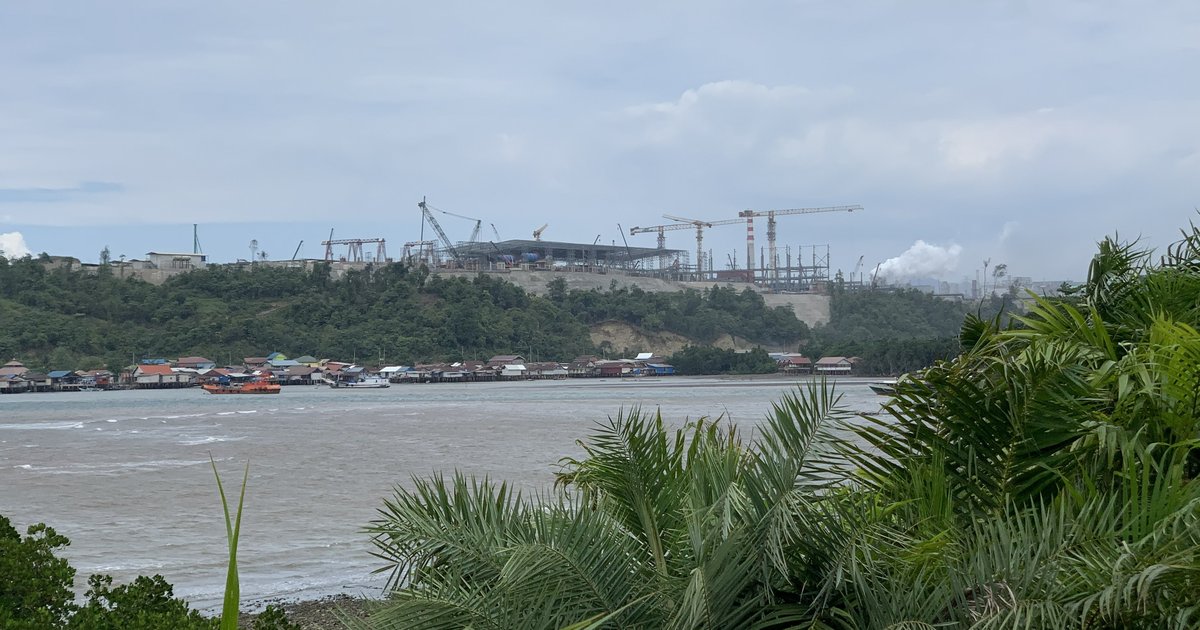
The irony is striking: as the world pivots toward renewable energy and electric vehicles, one of the fastest-growing industries fueling this transition is leaving a trail of environmental devastation in its wake. Indonesia's nickel sector exemplifies this paradox, experiencing explosive growth to meet surging global demand for battery materials—yet the social and ecological consequences are deeply troubling.
Nickel has become essential to modern clean energy. It's a critical component in lithium-ion batteries that power electric vehicles and renewable energy storage systems. With global EV adoption accelerating, nickel demand is expected to triple by 2030. Indonesia, which produces roughly one-third of the world's nickel, stands at the epicenter of this boom. Mining operations have proliferated across the archipelago, transforming landscapes and communities at an unprecedented pace.
But progress comes at a cost. The environmental damage is extensive and widely documented. Mining operations have triggered severe soil degradation, water pollution, and habitat destruction in biodiverse regions. Indonesia's rainforests and unique ecosystems—home to species found nowhere else on Earth—are being cleared to make way for mining infrastructure and processing facilities. The biodiversity loss is catastrophic, threatening wildlife and the indigenous communities who depend on these ecosystems for survival.
Beyond environmental concerns lie serious human rights issues. Workers face hazardous conditions, inadequate safety protocols, and exploitative wages. Local communities report being displaced without proper consultation or compensation. Child labor and forced labor allegations have surfaced in supply chains. The rush to extract nickel has often proceeded with little regard for the rights and welfare of those most affected.
This raises a fundamental question: Can the green energy transition be truly sustainable if it's built on exploitation and environmental destruction elsewhere? As Chinese and other international investors funnel capital into Indonesia's nickel sector, stakeholders—from governments to corporations to consumers—must demand accountability.
The newsletter from the Business and Human Rights Centre highlights these critical issues, urging responsible investment practices and greater transparency. The path to genuine sustainability requires balancing energy transition goals with rigorous environmental protection and human rights standards. Anything less is simply shifting the burden of climate action onto the world's most vulnerable communities.
No comments yet. Be the first!