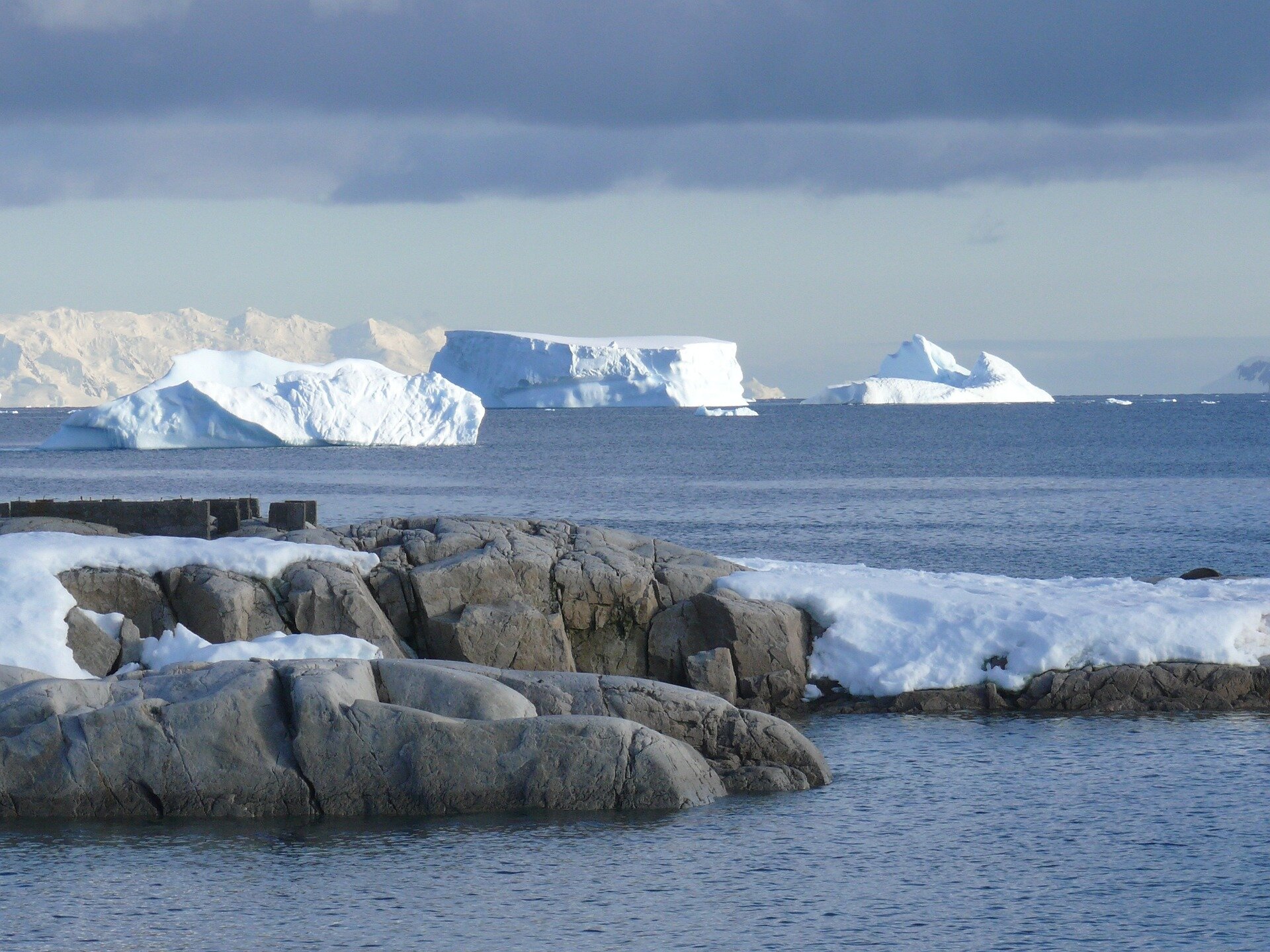
When scientists first noticed Antarctic sea ice expanding from the 1970s through 2015, it seemed to contradict everything we knew about climate change. How could sea ice be growing around Antarctica while the planet was warming? This paradox has puzzled researchers for years, but a new Stanford University study has finally cracked the case.
The answer lies in an intricate dance between atmospheric winds, ocean currents, and a phenomenon known as the ozone hole. According to the research, the cooling effect from ozone depletion actually strengthened the winds circling Antarctica during the latter half of the 20th century. These intensified winds pushed the existing sea ice outward, making it appear as though sea ice extent was growing—even though the overall volume of ice wasn't necessarily increasing.
"The atmospheric changes were powerful enough to overcome the warming trend from greenhouse gases," explains the research team. This delicate balance persisted for nearly four decades, creating one of the most compelling mysteries in climate science.
But the story doesn't end there. Around 2016, everything changed. Sea ice extent around Antarctica plummeted dramatically, signaling a shift in the underlying forces at play. The ozone hole has been gradually recovering thanks to international efforts to phase out ozone-depleting chemicals, meaning those strengthened winds are weakening. Additionally, the relentless warming from greenhouse gas emissions continues to intensify. These two factors—ozone recovery and accelerating climate change—have combined to overwhelm the mechanisms that previously sustained Antarctic sea ice growth.
"We're essentially watching the ozone hole's influence fade while climate warming takes over," the researchers note. This transition explains not just the decades of growth, but also the sudden collapse we've observed in recent years.
What makes this research particularly significant is that it demonstrates how multiple climate factors interact in complex ways. Antarctica isn't isolated from global climate systems—it's connected to atmospheric chemistry, ocean dynamics, and planetary wind patterns all at once. Understanding these connections is crucial for making accurate predictions about our planet's future.
The implications extend beyond mere scientific curiosity. As the ozone layer continues to recover, we can expect Antarctic sea ice patterns to increasingly reflect the dominant influence of greenhouse gas warming. This means sea ice around Antarctica will likely continue declining in the coming decades, with consequences for polar ecosystems, ocean circulation patterns, and potentially global climate feedbacks.
This Stanford study is a reminder that solving climate mysteries requires patience, sophisticated analysis, and an appreciation for Earth's interconnected systems. What appeared to be a straightforward contradiction turned out to be a fascinating interplay of competing forces—one that's now shifting before our eyes. As we move forward, this knowledge will help us better understand and anticipate the changes reshaping our frozen poles.
No comments yet. Be the first!