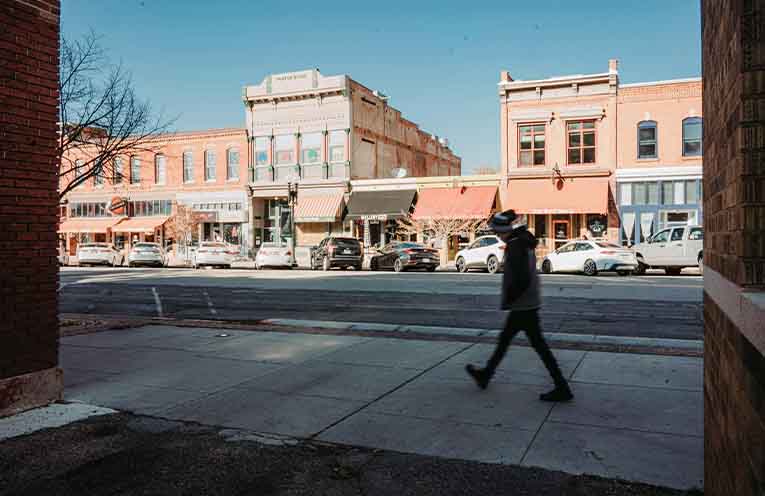
Picture this: you pop out for your morning coffee, grab groceries on the way home, and catch up with a neighbor—all on foot. Sounds idyllic, right? Well, for regional Australians living in walkable towns, this isn't a fantasy; it's daily life. And it's making a real difference to their health.
A groundbreaking study has revealed that residents in walkable regional towns are clocking up an impressive 75 extra minutes of exercise each week compared to their counterparts in car-dependent areas. That's more than an hour of additional physical activity—without ever setting foot in a gym.
The research comes at a particularly timely moment. With fuel prices putting pressure on household budgets, many Australians are reassessing their transport choices. Walkable communities offer a silver lining: they provide an accessible, cost-free alternative to driving while simultaneously boosting physical fitness and overall wellbeing.
But the benefits extend far beyond individual health. When towns are designed with pedestrians in mind, something magical happens. Local shops thrive as foot traffic increases. Communities strengthen as neighbors interact more frequently. Air quality improves. And mental health gets a boost from outdoor activity and social connection.
The research challenges the assumption that regional living means sprawling suburbs and car dependency. Instead, it highlights the importance of thoughtful town planning—mixed-use neighborhoods where homes, shops, offices, and services are within walking distance.
For regional councils and developers, the message is clear: investing in walkability isn't just good for residents' waistlines; it's an investment in community vitality and economic resilience. Parks, pedestrian pathways, safe street crossings, and connected neighborhoods create environments where people naturally move more.
In an era where health costs are rising and environmental concerns mount, walkable towns represent a solution that benefits everyone. They prove that sometimes, the simplest answer—putting one foot in front of the other—can transform our health and our communities. So the next time you have the choice, skip the car and embrace the walk.
No comments yet. Be the first!