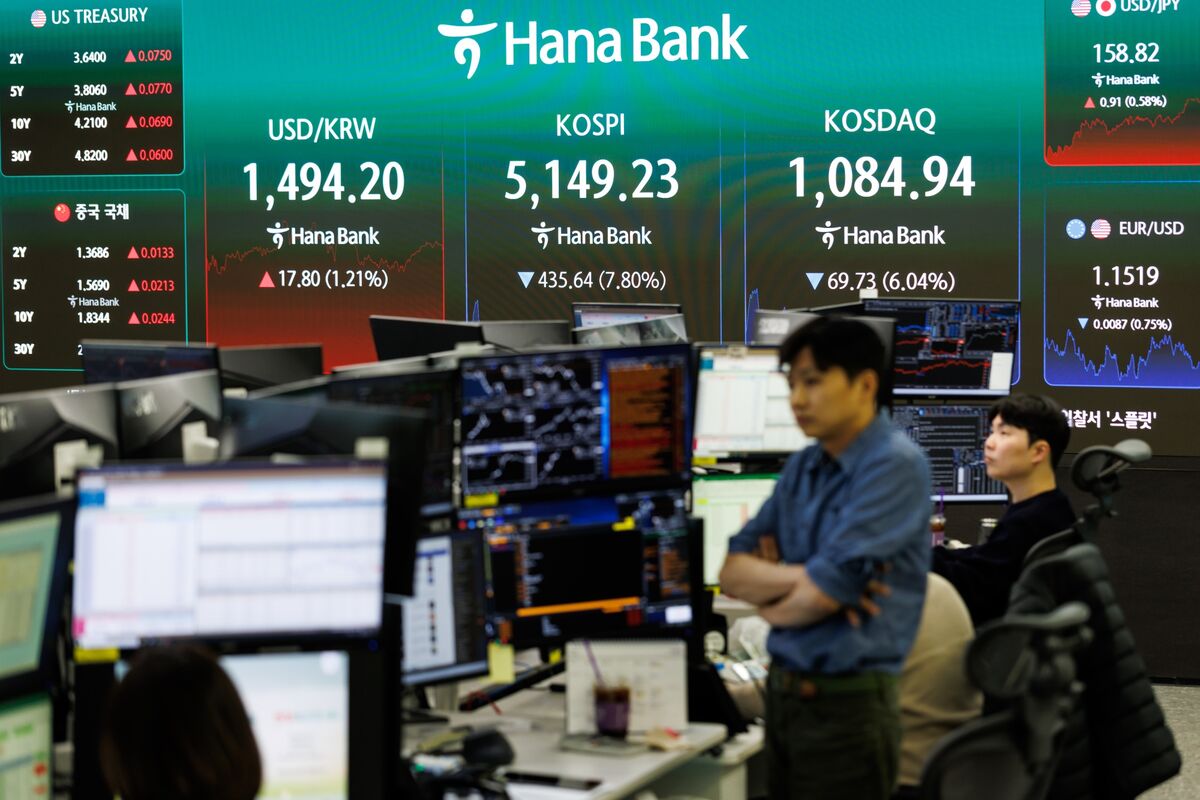
Great news for South Korean investors: the stock market is celebrating what could be a watershed moment for shareholder protection. The benchmark Kospi index jumped 5% following regulatory moves to restrict double listings—a practice where publicly traded companies list certain subsidiaries on the stock exchange, effectively creating multiple layers of ownership for the same business.
So what's the big deal with double listings, and why is everyone cheering?
For years, critics have pointed to double listings as a sneaky way for controlling shareholders to dilute the value available to regular investors. When a parent company lists a subsidiary, it can create complex ownership structures that benefit those in control while spreading the economic value thinner for everyone else. It's a practice that's been particularly prevalent in South Korea and has long frustrated retail investors and corporate governance advocates.
By moving to ban or significantly restrict these listings, South Korean authorities are essentially saying: "We're putting shareholders first." And the market has responded enthusiastically.
This isn't just a one-day blip either. The Kospi extended its gains for a third consecutive session, suggesting that investor confidence is building on this regulatory development. When you see sustained momentum like this, it typically indicates that the market believes this change will have meaningful, positive long-term effects.
What does this mean for investors?
First, it signals that regulatory bodies are listening to concerns about corporate governance and shareholder protection. Companies can't simply create complex structures designed to benefit insiders at the expense of ordinary shareholders—at least not as easily as before. This should theoretically lead to more transparent, shareholder-friendly corporate structures.
Second, it could level the playing field. With fewer opportunities to obscure ownership structures and dilute shareholder value, companies may need to focus more on genuine operational performance and profitability to attract investors. This could incentivize better management practices across the board.
Third, this move demonstrates the power of regulatory action in shaping market behavior. Sometimes, all it takes is one decisive policy change to restore confidence and unlock value that was previously trapped in overly complex corporate structures.
The regulatory landscape is constantly evolving, and Korea's move against double listings joins a broader global trend toward stricter corporate governance standards. As countries around the world grapple with balancing corporate flexibility against shareholder protection, Korea is making a clear statement about where it stands.
For South Korean investors and market watchers internationally, this could be the beginning of a more transparent, investor-friendly era in Korean corporate finance. And if the Kospi's performance is any indication, the market is ready for that change.
No comments yet. Be the first!