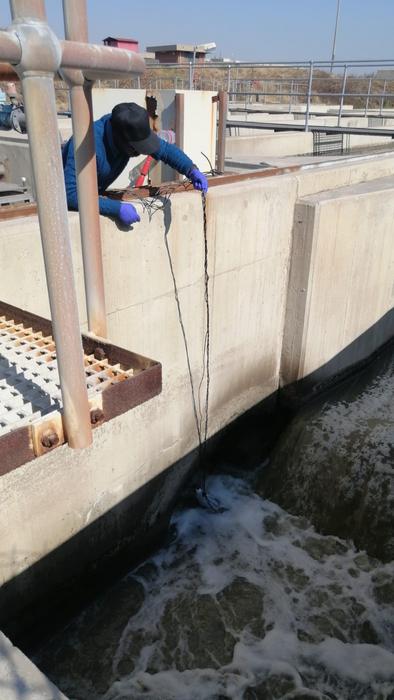
Antibiotic resistance is one of the most pressing global health threats of our time, and a new study suggests South Africa's wastewater infrastructure may be making the problem worse. Research published in Cell Reports by scientists at Stellenbosch University has found that wastewater treatment plants across the country could be serving as hotspots for the spread of antibiotic-resistant bacteria into rivers and the broader environment.
The implications are staggering. These resistant organisms don't stay contained within treatment facilities—they flow directly into our water systems, potentially contaminating drinking water sources and agricultural irrigation systems. For a developing nation already grappling with limited healthcare resources, this represents a significant public health risk.
What makes this discovery particularly concerning is how it happens. Wastewater treatment plants are designed to remove pathogens, but they aren't specifically engineered to eliminate antibiotic-resistant genes. When hospitals, clinics, and homes flush medications and waste containing resistant bacteria into the system, these organisms can actually thrive in the treatment process. Some even survive the entire treatment cycle and emerge into natural waterways.
The research highlights a critical gap in South Africa's infrastructure planning. While the country has made significant strides in water treatment, the focus hasn't traditionally been on combating antimicrobial resistance. This oversight could have devastating consequences as resistant infections become increasingly common.
Experts stress that addressing this issue requires a multi-faceted approach. Improvements in wastewater treatment technology, stricter antibiotic stewardship programs, and better monitoring of water quality are all essential. Additionally, public awareness about the dangers of misusing antibiotics could help reduce the amount of resistant bacteria entering the system in the first place.
This study serves as a wake-up call not just for South Africa, but for developing nations worldwide. As antibiotic resistance spreads through our water systems, the window for action is rapidly closing. Investing in upgraded wastewater infrastructure and implementing comprehensive antimicrobial resistance strategies isn't just an environmental issue—it's a matter of survival for public health.
No comments yet. Be the first!