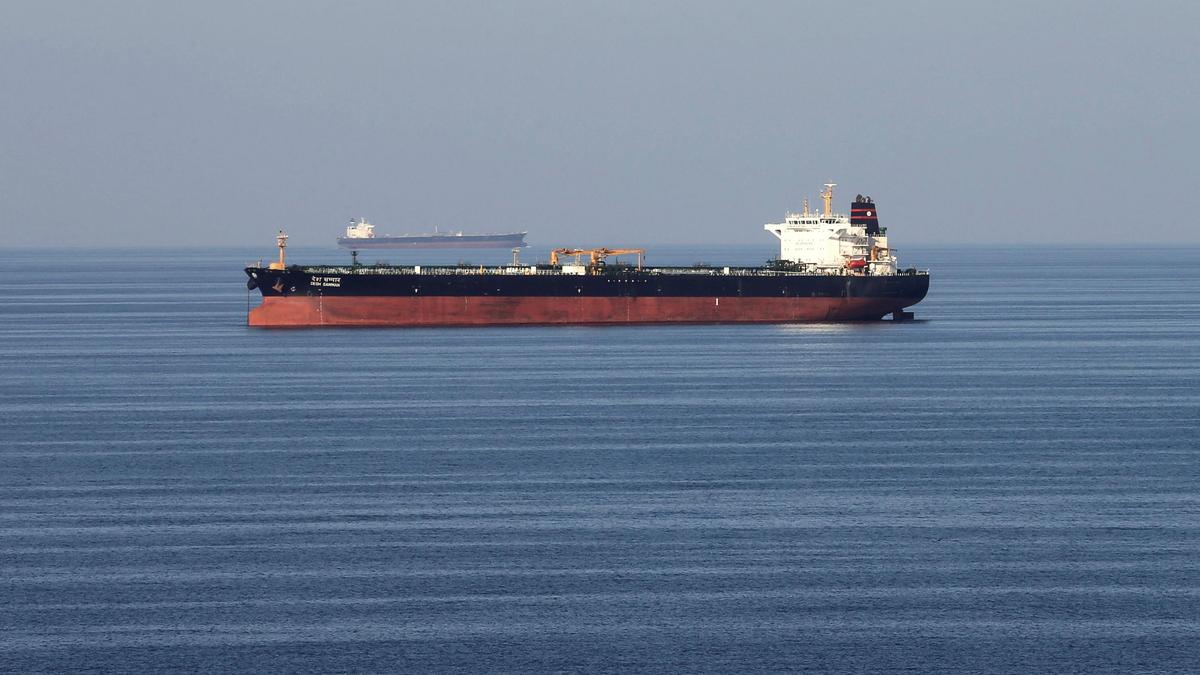
The geopolitical landscape just shifted again. On Friday, March 20, 2026, the Trump administration announced a 30-day sanctions waiver permitting the purchase of Iranian oil at sea—a decision that underscores the complex balancing act between maintaining sanctions pressure and managing real-world energy concerns.
According to U.S. Treasury Secretary Scott Bessent, the waiver was issued in response to escalating energy supply pressures triggered by the ongoing U.S.-Israeli conflict with Iran. The move represents a tactical pivot, acknowledging that in the midst of military tensions, the global economy still needs to function—and that includes reliable energy supplies.
**Why This Matters**
This isn't just another bureaucratic announcement. The decision carries significant implications for multiple stakeholders:
For energy markets, the waiver could provide temporary relief from the supply constraints that have been pushing oil prices higher. Global energy consumers have been feeling the pinch as regional instability threatens critical supply routes and production capabilities. By allowing Iranian oil sales at sea to proceed for the next month, the administration is attempting to inject some stability into volatile markets.
For U.S. foreign policy, the move reflects a pragmatic acknowledgment that absolute economic isolation during wartime isn't always feasible—or advisable. While sanctions remain the official policy framework, the waiver demonstrates flexibility in implementation. It's a reminder that even strong-armed diplomatic tools require careful calibration.
For Iran, the temporary window offers a brief reprieve and a potential revenue stream during a critical period. However, the 30-day timeframe means this is fundamentally a short-term measure, not a permanent policy shift.
**The Bigger Picture**
These kinds of waivers aren't unusual in sanctions regimes. They're typically deployed when policymakers recognize that strict adherence to sanctions could create secondary consequences—like energy shortages, inflation, or economic disruption—that ultimately harm broader national interests.
The decision also raises questions about what comes after the 30 days expire. Will the administration renew the waiver? Will it remain a one-time measure? These answers will likely depend on how the broader conflict develops and what happens to global energy markets in the interim.
**What's Next?**
As this temporary measure unfolds, observers will be watching several key indicators: crude oil price movements, any shifts in the military situation, and whether other nations follow suit with their own waivers. The Treasury Department's decision could set a precedent that influences how other countries approach their own sanctions policies.
For now, the 30-day waiver represents a dose of pragmatism in an otherwise tense situation. It's a reminder that in international relations and economics, absolute positions often give way to practical necessities. Whether this waiver becomes routine or remains an exception will tell us much about the administration's overall approach to managing this complex geopolitical crisis.
The energy markets will be watching closely.
No comments yet. Be the first!