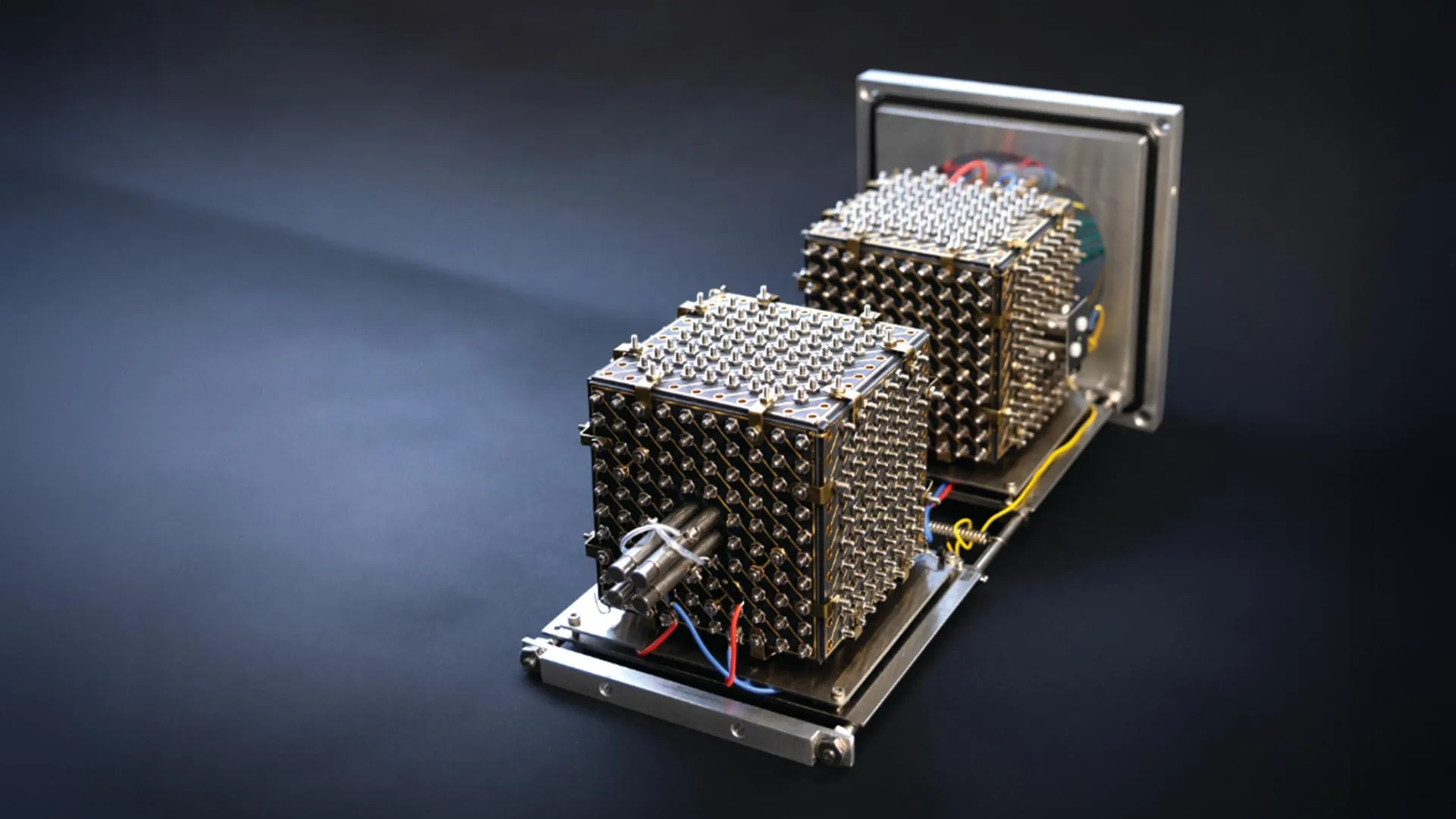
For decades, mass spectrometers have been the workhorses of molecular analysis—but with a significant limitation. Traditional versions can handle only a few molecules at a time, creating a bottleneck for researchers trying to understand complex biological systems. That's about to change, thanks to an exciting new prototype that can analyze billions of molecules simultaneously.
This leap forward represents more than just an incremental improvement in laboratory equipment. The implications are genuinely transformative. A more advanced version of this technology could eventually allow researchers to capture the complete molecular makeup of a single cell, something that's currently impossible with existing tools. Imagine being able to see the full molecular picture of what's happening inside a living cell—every protein, every chemical compound, all at once. That's the promise this new technology offers.
But the applications don't stop there. The ability to monitor thousands of chemical reactions simultaneously would be a game-changer for pharmaceutical research. Drug discovery is notoriously slow and expensive, often taking years and billions of dollars to bring a single medication to market. By accelerating the ability to observe and analyze chemical interactions on an unprecedented scale, this technology could dramatically speed up the process of identifying promising drug candidates.
The development of this prototype comes from researchers who recognized a critical gap in current technology. While mass spectrometers have become increasingly sophisticated, they've remained limited in their capacity—like trying to watch an entire orchestra when you can only focus on a few instruments at a time. This new design fundamentally changes how the technology approaches molecular analysis.
What makes this breakthrough particularly exciting is its potential ripple effect across scientific disciplines. Beyond drug discovery, enhanced mass spectrometry could impact fields ranging from environmental monitoring to food safety, from metabolomics research to disease diagnosis. Anywhere scientists need to understand the molecular composition of complex samples, this technology could open new doors.
Of course, prototypes are just the beginning. Moving from laboratory proof-of-concept to practical, widely-available instruments takes time, refinement, and investment. Researchers will need to troubleshoot potential issues, optimize performance, and ensure the technology is reliable enough for real-world applications. But the fact that this is possible—that we can now capture and analyze billions of molecules where we could only handle thousands before—fundamentally shifts what's possible in molecular research.
The scientific community is watching closely. For researchers who have spent years working within the constraints of current mass spectrometry limitations, this breakthrough feels like the walls of a laboratory are suddenly expanding. The questions they couldn't answer before because the technology wasn't powerful enough might finally become answerable.
We're witnessing one of those pivotal moments in scientific instrumentation—where a fundamental limitation is overcome, and everything downstream becomes possible. That's why this new mass spectrometer prototype deserves your attention.
No comments yet. Be the first!