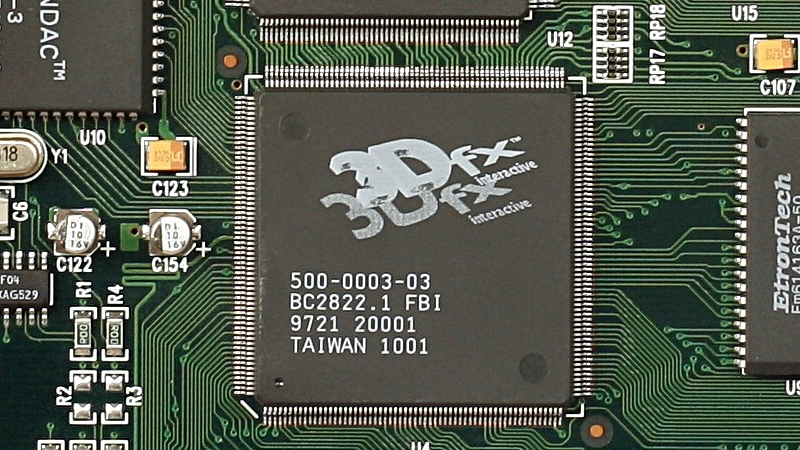
The 3DFX Voodoo holds a special place in the hearts of PC gamers who came of age in the 1990s. While it wasn't technically the first dedicated 3D graphics chipset on the market, it became the undisputed favorite among early mass-market GPU adopters. The Voodoo lived on a 3D-processing-only PCI card that connected to the feature connector of your SVGA card—a setup that, despite its quirks, revolutionized gaming performance and made 3D gaming accessible to everyday PC users.
For decades, enthusiasts and nostalgic gamers have relied on emulation to revisit those glory days. But now, thanks to the power of FPGA (Field-Programmable Gate Array) technology, someone has managed to recreate the Voodoo's hardware functionality from scratch. This isn't just a software simulation running on modern hardware—it's a faithful digital reproduction of the actual silicon that made games like Quake, Unreal, and Tomb Raider sing on our old Pentium-powered machines.
What makes this achievement particularly exciting is what it represents for retro gaming and hardware preservation. FPGAs are reconfigurable integrated circuits that can be programmed to emulate the behavior of other hardware, effectively creating a "virtual" version of vintage components. For the Voodoo, this means you're not just playing a game through a software emulator; you're experiencing the GPU's behavior at a hardware level, which can result in more accurate performance and fewer compatibility quirks.
The implications are fascinating. Enthusiasts can now run the Voodoo on modern systems without hunting down increasingly fragile vintage hardware. Collectors can preserve the card's legacy digitally. And game developers and historians can study how the Voodoo actually processed graphics, gaining insights into what made these cards so special.
This project is part of a larger trend in the retro computing community. As original hardware becomes rarer and more expensive, FPGA implementations offer a practical solution for preservation and accessibility. From arcade cabinets to classic consoles, the FPGA community has been quietly recreating computing history, one pixel at a time.
Whether you're a longtime fan who owned a Voodoo back in the day or a younger gamer curious about computing history, this recreation is a testament to the enduring appeal of this hardware. The 3DFX Voodoo may have disappeared from the market decades ago, but in the hands of dedicated hobbyists and FPGA enthusiasts, it's proving that some technologies are simply too iconic to let fade away. The legend lives on.
No comments yet. Be the first!