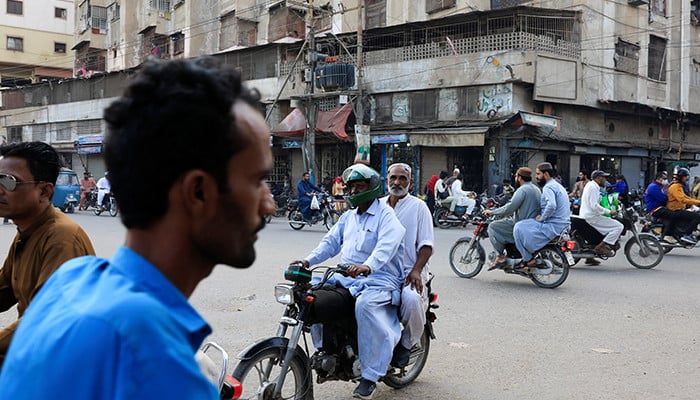
The streets of Karachi are buzzing with activity as Eid ul Fitr draws near. Shop owners are stocking shelves, families are making plans, and the city hums with the anticipation that comes at the end of Ramadan. But for the delivery riders weaving through traffic on motorcycles and bicycles, this festival season feels different—and not in a good way.
Eid has always been a special time for delivery workers. The surge in online shopping, restaurant orders, and festive purchases typically means more work and, crucially, more money. It's a chance to earn extra for new clothes, gifts, and treats that make the celebration meaningful. But this year, that silver lining appears to be fading.
Despite working significantly longer hours, many riders report that their actual earnings have taken a hit. The culprit? The escalating tensions in the Middle East are creating ripple effects far beyond their origin, reaching into the pockets of gig workers in Pakistan's largest city.
**The Perfect Storm**
When geopolitical tensions spike, consumer behavior shifts. People become more cautious with spending, even during traditionally festive periods. Business owners cut back on inventory orders. Restaurant demand fluctuates. For delivery riders, this translates to fewer high-paying orders and more pressure to accept lower rates just to keep the work flowing.
The math is brutal: more hours + fewer orders = less money per shift. What should be a lucrative season has become a grinding marathon just to maintain baseline income.
**The Human Cost**
For many delivery riders in Karachi, the gig economy is their primary source of income. They don't have the safety net of fixed salaries or benefits. Every order counts. Every rupee matters. During Eid, this precarity becomes even more pronounced. While others celebrate, they're faced with a choice: work even harder or accept less.
The festival, which traditionally represents joy and community, begins to feel less like celebration and more like survival. New clothes might have to wait. Gifts become luxuries they can't afford. The treats that bring joy to children's faces seem increasingly out of reach.
**A Larger Conversation**
The struggles of Karachi's delivery riders during this Eid season shine a spotlight on the vulnerability of gig workers. These are individuals who fuel the modern economy, enabling convenience for millions. Yet when external shocks occur—whether geopolitical, economic, or otherwise—they're often the first to feel the impact and the least equipped to weather the storm.
As we approach Eid, it's worth reflecting on the people who keep our cities moving. While we enjoy the fruits of their labor, they're racing against time, hoping that somehow, they'll still have something left to celebrate.
The festival will come. But for Karachi's delivery riders, it may feel less like celebration and more like simply making it through.
No comments yet. Be the first!