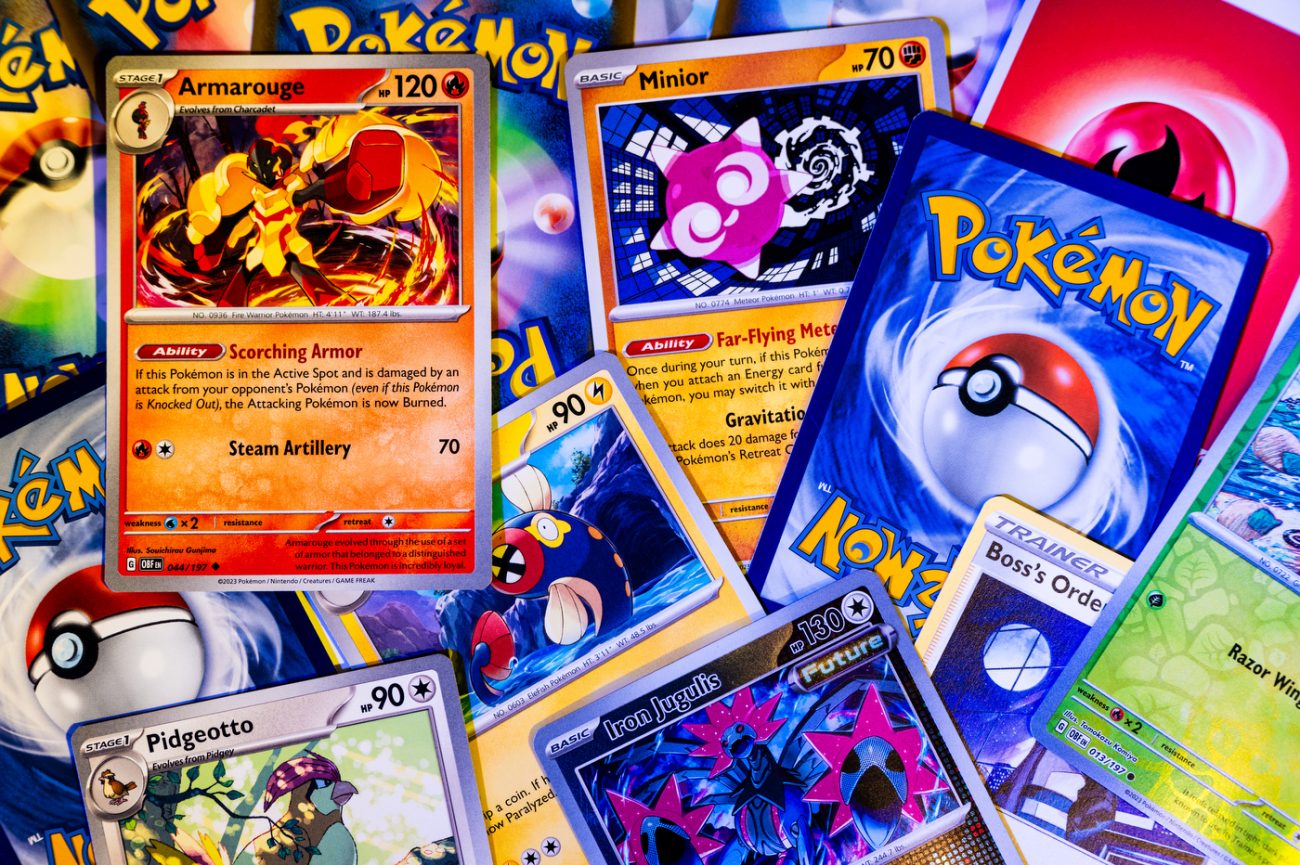
Remember Beanie Babies? Of course you do—they're the cautionary tale that comes up whenever collectibles start gaining mainstream attention. The difference is that Pokémon cards might actually have staying power. But before you raid your parents' attic or drain your savings account on vintage holographic cards, let's talk about what you really need to understand about the Pokémon card investment boom.
**The Gold Rush Is Real**
There's no denying it: Pokémon cards are experiencing unprecedented growth in value. Rare first editions and graded cards have fetched jaw-dropping prices at auction, and casual collectors are suddenly asking serious questions about their childhood card collections. It's the kind of market activity that attracts both passionate fans and savvy investors looking for the next big thing.
**But Is It Different From Beanie Babies?**
Here's where things get interesting. Unlike the Beanie Baby craze that peaked in the late 1990s and crashed spectacularly, Pokémon cards have something fundamental working in their favor: they're part of an active, thriving franchise with real cultural momentum. The Pokémon Company continues to release new products, the trading card game remains competitive and tournament-based, and there's genuine utility beyond just collecting. This isn't just nostalgia—it's an ecosystem.
**Portfolio Diversification Meets Pop Culture**
The key takeaway here is that Pokémon cards can potentially fit into a diverse investment portfolio—but only if you approach them like an investor, not a gambler. This means understanding card grading, authenticity verification, and the factors that actually drive value. A random collection of played cards from the 1990s might be fun to reminisce over, but they're not necessarily investment-grade assets.
**What You Need to Know Before Investing**
If you're considering Pokémon cards as an investment vehicle, education is non-negotiable. You need to understand the difference between a card that's just old and a card that's actually valuable. Condition matters enormously. Authentication and grading from reputable services like PSA or BGS can dramatically impact resale value. Market trends are constantly shifting, and what's hot today might cool down tomorrow.
**The Bottom Line**
Pokémon cards aren't the same as Beanie Babies because the Pokémon franchise itself isn't going anywhere. The game is actively played, continuously updated, and deeply embedded in mainstream culture. That said, investing in Pokémon cards still requires research, patience, and realistic expectations.
The people making the most from this market aren't throwing darts at a board—they're studying trends, understanding card grades, and making informed decisions. If you're considering getting in on the action, treat it like any other investment: do your homework, understand the risks, and only allocate what you can afford to lose.
The gold rush is real. The question is whether you're ready to be part of it.
No comments yet. Be the first!