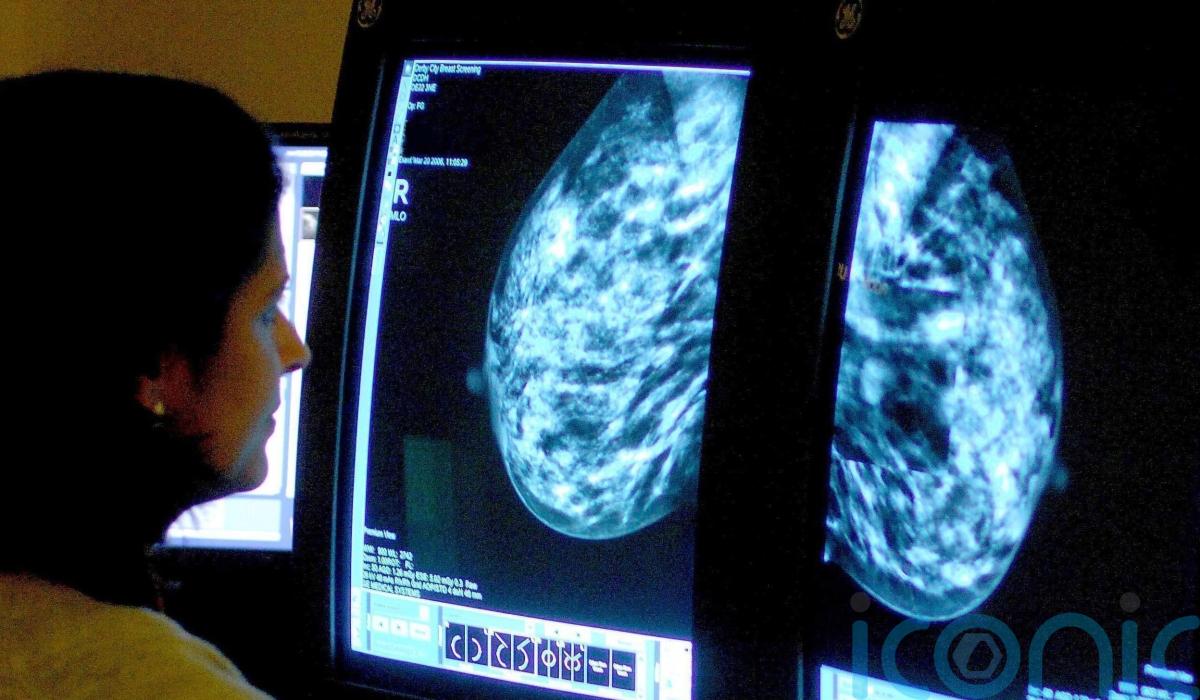
The numbers are alarming. According to data released by the Department of Health, just one in 20 women referred urgently for suspected breast cancer were seen within the crucial two-week window last winter. This falls drastically short of the NHS standard that aims to see 75% of patients within this timeframe—a target that's already considered lenient by many cancer charities.
Health Minister Mike Nesbitt didn't mince words when acknowledging the situation, stating that Northern Ireland remains "still some way short" of acceptable performance levels. The admission comes as waiting lists continue to balloon across the health service, with some women enduring waits of up to 12 months for their appointments.
Why does a two-week target matter so much? Early detection of breast cancer can be the difference between life and death. Delays in diagnosis and treatment can allow the disease to progress, reducing survival rates and limiting treatment options. For women already anxious about a potential diagnosis, being forced to wait months compounds both the emotional and medical toll.
The crisis isn't happening in isolation. Northern Ireland's health service has been grappling with systemic pressures for years—staff shortages, aging equipment, and chronic underfunding have all contributed to the current bottleneck. Breast cancer screening and diagnostic services have been particularly hard hit, with many centers operating below capacity.
Cancer charities and patient advocates have been raising the alarm for months. They're calling for urgent investment in diagnostic facilities, more radiologists and breast cancer specialists, and a comprehensive plan to clear the diagnostic backlog. The fear is that patients sitting on waiting lists for months may have their cancers progress to more advanced stages, ultimately worsening outcomes.
The health minister's acknowledgment is a start, but words alone won't clear waiting lists or save lives. What's needed now is concrete action: additional funding, recruitment of specialist staff, and a realistic timeline for meeting the two-week target. For the women currently waiting, every day counts. The question now is: will the government act before more lives are lost to preventable delays?
No comments yet. Be the first!