Following the triumphant splashdown of the Artemis II mission last week, the science community has been riding high on space and physics discoveries that continue to bend our understanding of reality itself.
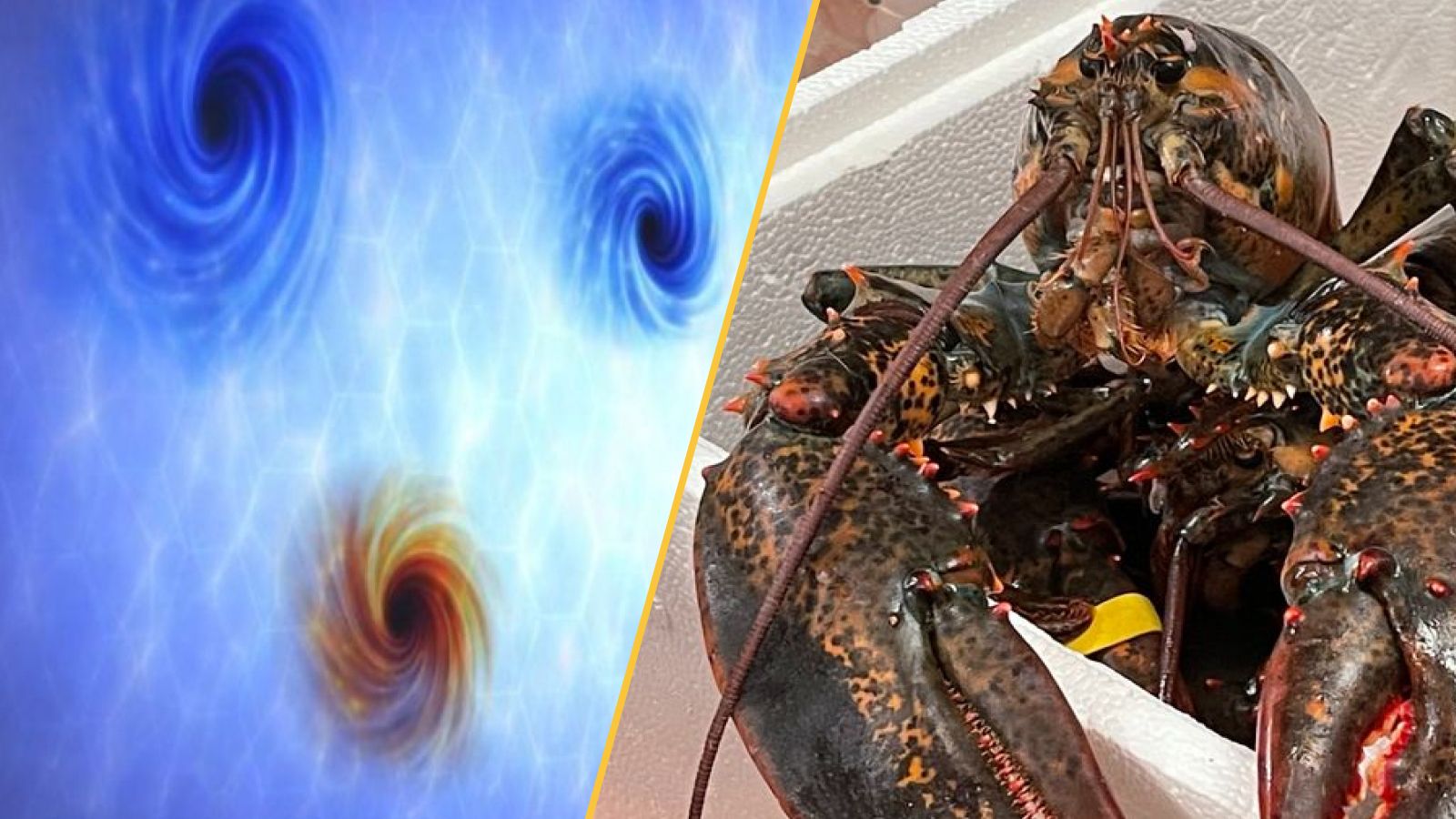
The headline-grabbing story? Scientists have achieved the first-ever observation of singularities—those mysterious points where physics as we know it breaks down—moving faster than light itself. But here's the kicker: these aren't actual objects or matter crossing the cosmic speed limit. Instead, researchers observed what they're calling "shadow edges" near black holes moving at superluminal speeds. It's a fascinating distinction that actually doesn't violate Einstein's cosmic speed limit while still delivering that jaw-dropping moment we all crave.
But the universe wasn't done amazing us this week. Biologists have confirmed what evolutionary scientists have long suspected: humans are still actively evolving. New research shows that natural selection continues to shape our species in measurable ways, even in modern times. This challenges the common misconception that evolution is something that happened to our ancestors rather than something continuing to shape us today.
Meanwhile, in the Arctic, polar bears are sending researchers a rather unexpected signal. Some polar bear populations are getting noticeably fatter than ever before. While this might sound like good news on the surface, scientists are investigating whether this weight gain is a positive adaptation to changing climate conditions or a troubling sign of ecosystem disruption. The answer could tell us a lot about how the Arctic is responding to rapid environmental change.
What ties all these stories together is the reminder that our universe—from the quantum realm around black holes to the evolutionary processes shaping our own bodies to the Arctic ecosystems we share with other species—remains far stranger and more dynamic than we often assume. Each week brings new discoveries that expand the boundaries of human knowledge and challenge us to rethink what's possible. That's what makes science so thrilling.
No comments yet. Be the first!