A meningitis outbreak sweeping through Kent has reached a concerning milestone, with confirmed cases now standing at 34, according to the UK Health Security Agency (UKHSA). The number represents a significant jump from the 29 cases reported just days earlier, prompting urgent public health measures and widespread awareness campaigns.
**Who's Been Affected?**
The outbreak has touched multiple demographics across Kent, with particularly concerning cases among young people. A 21-year-old student at the University of Kent and a sixth form student are among those who have contracted the disease, highlighting the virus's ability to spread rapidly through educational settings where young people congregate in close quarters.
This pattern isn't unusual for meningitis outbreaks in university and school environments, where dormitories, lecture halls, and social spaces create ideal conditions for transmission. The UKHSA has been closely monitoring these settings to prevent further spread.
**Understanding the Threat**
Meningitis is a serious infection that causes inflammation of the membranes surrounding the brain and spinal cord. It can develop rapidly and, if left untreated, can lead to severe complications or even death. Early recognition of symptoms—including sudden fever, severe headache, stiff neck, and a characteristic rash—is crucial for survival and recovery.
While meningitis can affect anyone, young adults and teenagers face higher risks, particularly in communal living situations. This is why universities and educational institutions are typically on high alert when cases emerge.
**Official Response**
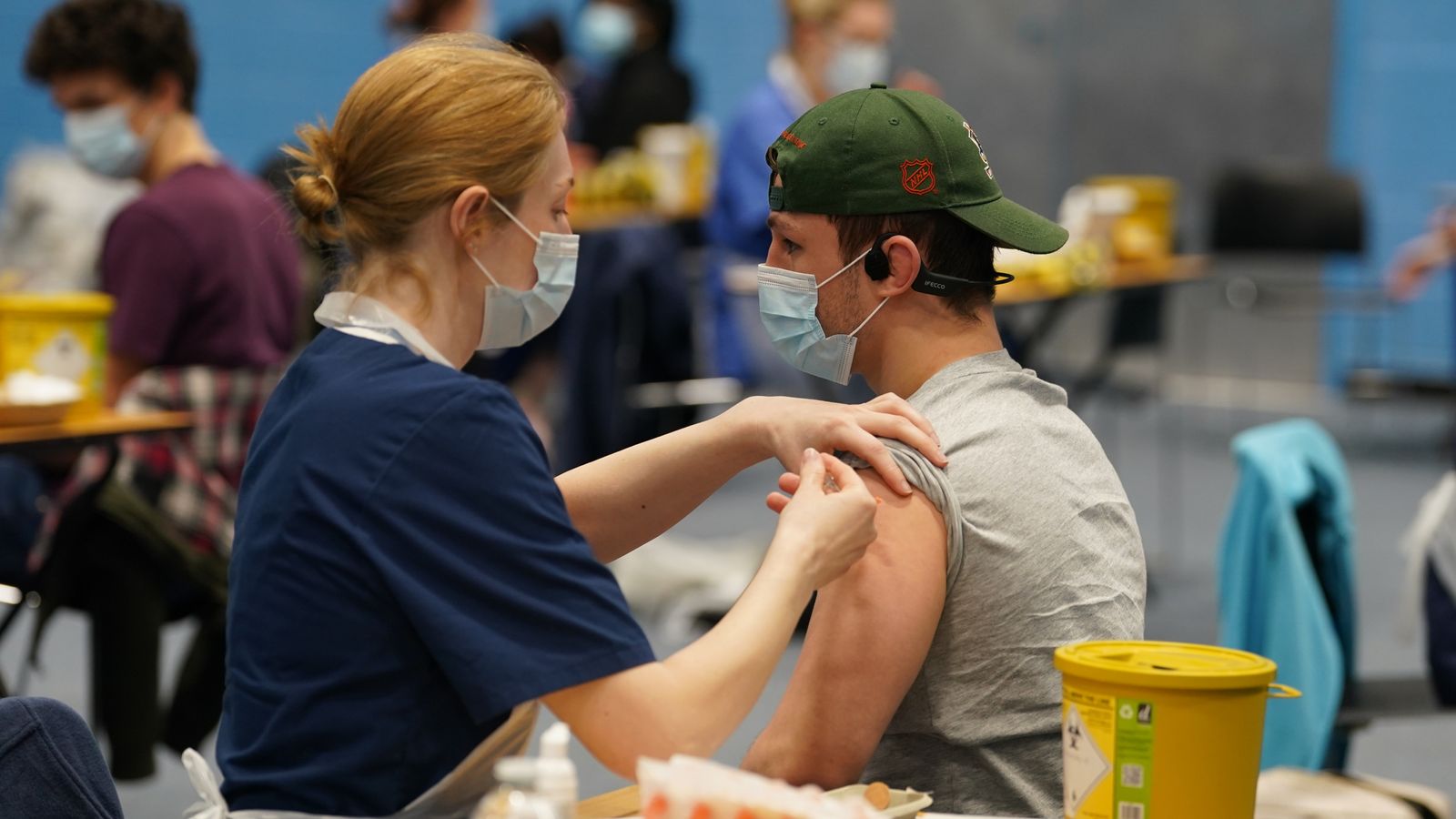
The UKHSA hasn't wasted time responding to the outbreak. Health officials have implemented contact tracing procedures to identify anyone who may have been exposed to the virus. Guidance has been issued to healthcare providers, schools, and universities in the affected area, and public health teams are working around the clock to prevent further transmission.
For those who've had close contact with confirmed cases, preventative antibiotics may be recommended, even if they haven't shown symptoms yet. This proactive approach has proven effective in containing previous outbreaks.
**What You Should Do**
If you or someone you know lives, works, or studies in Kent and experiences symptoms of meningitis, seek medical attention immediately. Don't wait—early treatment can be lifesaving. Be particularly vigilant if you're in close contact with students or young people.
Vaccination remains one of the best defenses against certain types of meningitis. If you're unsure about your vaccination status, particularly for meningococcal disease, consult your GP.
**Staying Informed**
As this situation develops, staying informed through official channels like the UKHSA and local health authorities is essential. Misinformation can spread as quickly as disease, so rely on verified sources for updates.
While 34 cases represent a serious outbreak requiring immediate attention, swift public health intervention, community awareness, and individual vigilance can help contain the situation and protect vulnerable populations. Keep an eye on official health guidance, and don't hesitate to seek help if you suspect meningitis.
No comments yet. Be the first!