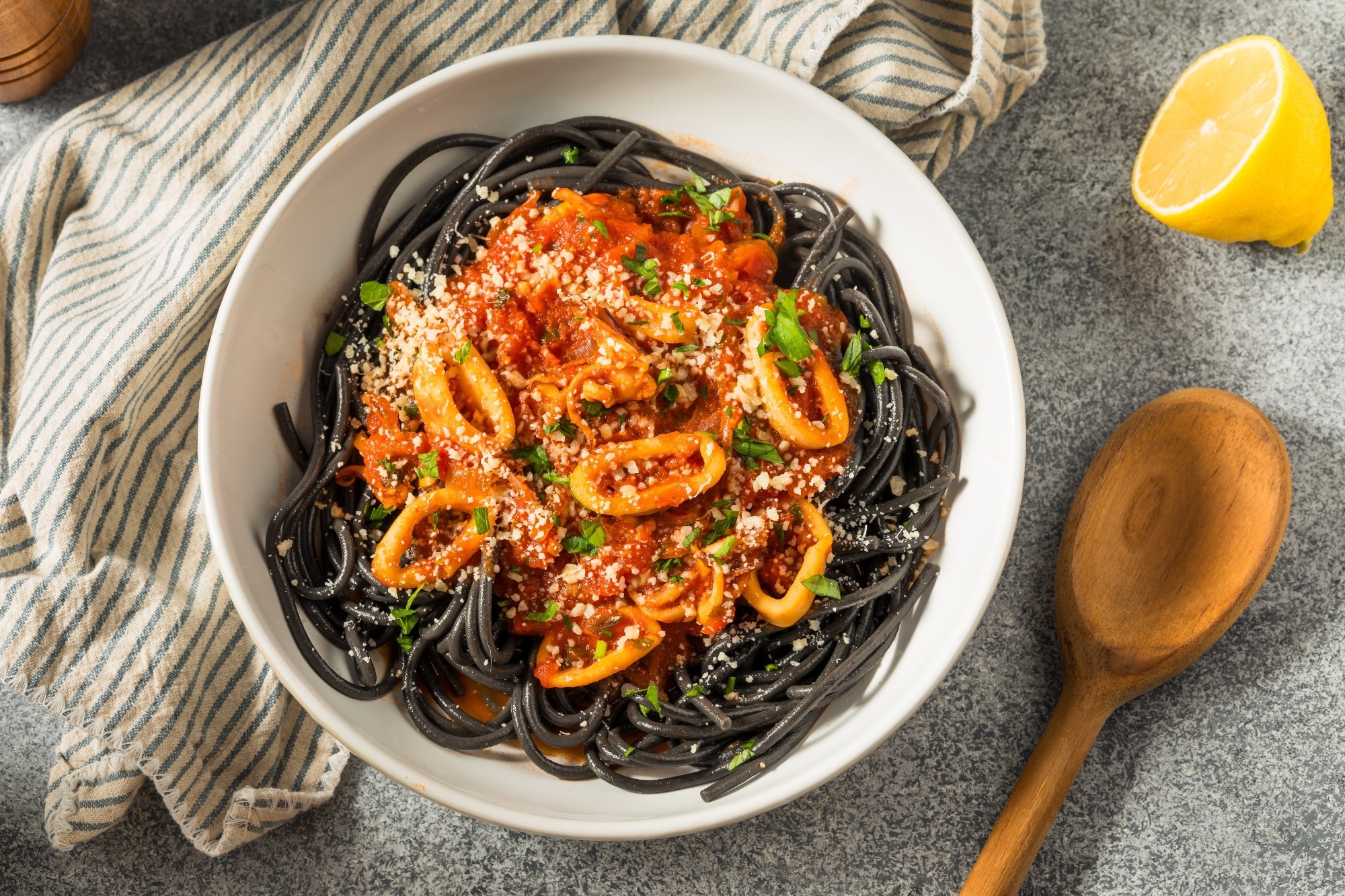
Squid ink has transitioned from a simple culinary ingredient to a subject of genuine scientific intrigue. This dark substance, secreted by squid as a defense mechanism, has long been prized by chefs for its distinctive flavor and striking visual appeal. But beyond the plate, researchers are exploring whether this mysterious ingredient offers legitimate health benefits.
The most compelling aspect of squid ink is its rich antioxidant profile. These powerful compounds work to neutralize harmful free radicals in the body, potentially reducing oxidative stress and inflammation. This is particularly noteworthy because oxidative stress is linked to various chronic diseases, making antioxidant-rich foods increasingly valuable in modern diets.
Culinary traditions worldwide have embraced squid ink for centuries. Mediterranean cuisines, particularly Spanish and Italian preparations, feature it prominently in dishes like black risotto and squid ink pasta. Japanese cuisine incorporates it into noodles and sauces, while countless modern chefs use it as both a functional ingredient and artistic medium.
However, it's crucial to acknowledge the limitations of current research. While preliminary studies suggest potential benefits, most evidence remains limited to laboratory and animal studies. Large-scale human clinical trials are necessary to definitively establish health claims. Additionally, squid ink is typically consumed in small quantities, raising questions about whether we consume enough to experience measurable health effects.
Another consideration involves potential side effects. While generally recognized as safe in culinary amounts, individual sensitivities may vary. Those with shellfish allergies should exercise caution, as cross-reactivity is possible.
The bottom line? Squid ink appears promising as both a culinary delight and a source of bioactive compounds. Its antioxidant properties warrant continued scientific investigation. Rather than viewing it as a miracle ingredient, it's best appreciated as part of a diverse, balanced diet rich in whole foods. The dramatic black hue might be the most immediate benefit—but the potential health advantages make it worthy of continued research and exploration.
No comments yet. Be the first!