In recent weeks, Indian media has been buzzing with news about India's diplomatic success in facilitating Iranian oil shipments. It's a feel-good story that plays well in headlines and on news channels. But beneath the surface, there's a more troubling narrative that deserves our attention.
The question that's not being asked loudly enough is this: Is this propaganda campaign distracting us from a fundamental failure in India's energy security strategy?
Let's break down what's actually happening. Yes, India did play a role in allowing certain Iranian ships to operate in international waters. But here's the catch: India had no significant role in initiating or orchestrating this arrangement. The real players were other countries with more direct influence in the region. Yet somehow, this narrative has been amplified in domestic media as a major diplomatic victory.
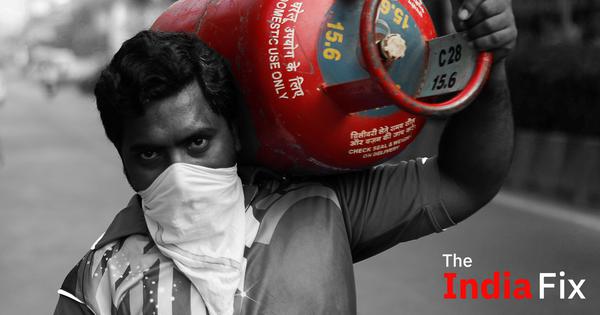
Why does this matter? Because while we're celebrating a marginal win, the government's inability to secure long-term, stable gas supplies remains largely unaddressed. India's energy needs are growing exponentially, but our gas supply infrastructure and procurement strategy have been sluggish and inadequate.
The timing of this narrative is worth examining too. When headlines about Iran's ships dominate the news cycle, they inevitably push out conversations about India's actual energy policy failures. It's a classic case of where attention goes, accountability goes.
India faces real structural challenges in securing energy independence. Our domestic natural gas production isn't keeping pace with demand. Our LNG import strategy needs serious rethinking. And our relationships with traditional energy suppliers require careful management. These aren't problems that can be solved with a good news cycle.
The concerning part is what political communication scholars call "manufactured consent through distraction." When a government faces criticism for policy failures, amplifying partial successes or tangential wins can shift public perception without actually addressing the core issues.
This doesn't mean India's role with Iranian ships is meaningless—diplomatic engagement in complex geopolitical situations is important. But it shouldn't become a substitute for honest conversation about whether our government has actually delivered on energy security.
So what should we actually be asking? What's India's comprehensive strategy for meeting our energy needs over the next decade? How are we diversifying our energy sources? What investments are being made in renewable energy to reduce our fossil fuel dependency? Are we securing the right long-term contracts with reliable suppliers?
These questions matter far more than the narrative of Iran's ships. A truly successful government would be managing both—securing diplomatic wins AND delivering measurable improvements in energy security.
Until we see concrete progress on these fronts, we should be cautious about celebrating partial victories. The real test of energy policy isn't a good headline; it's whether Indians have reliable, affordable gas supply when they need it.
No comments yet. Be the first!