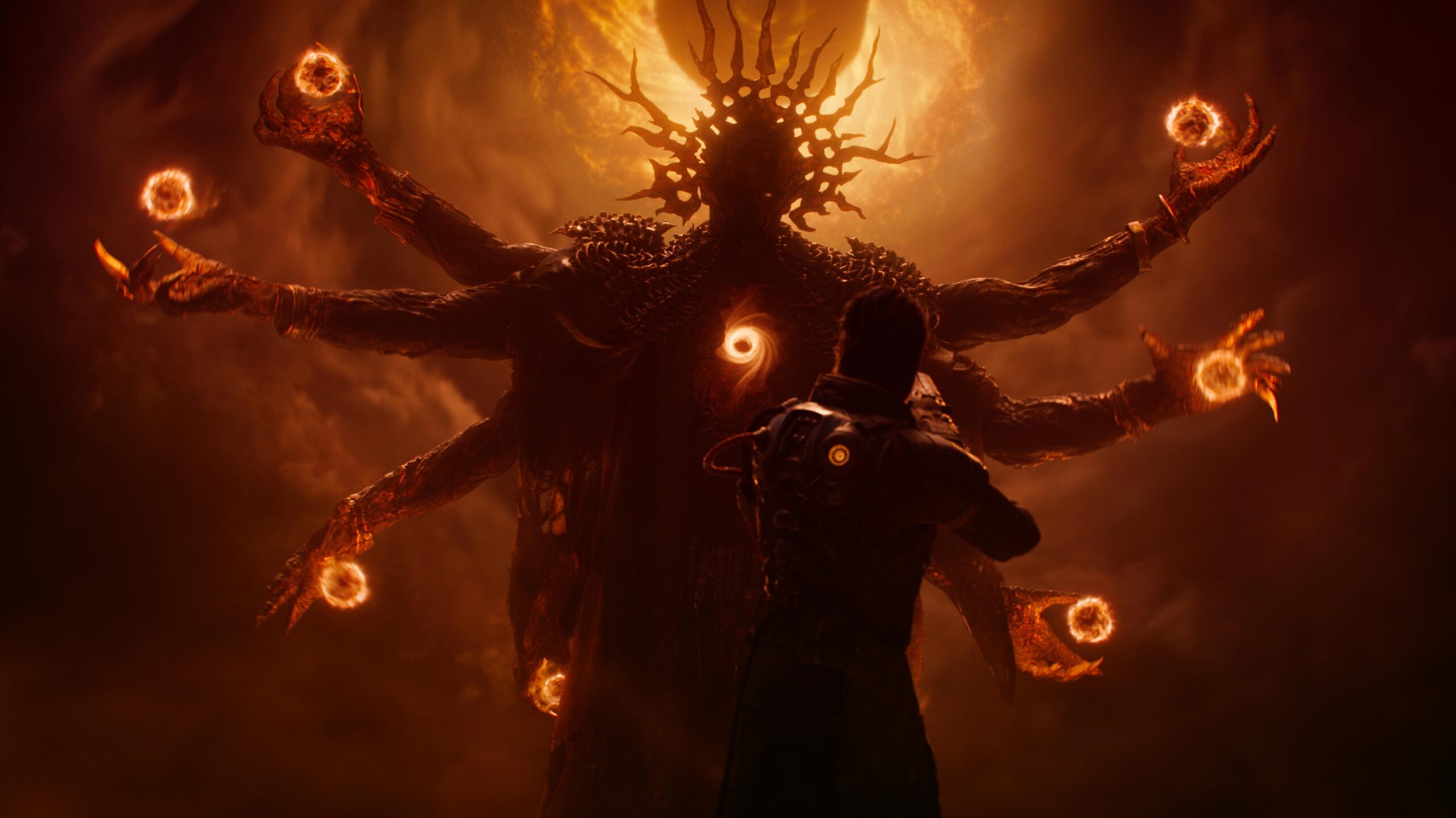
When Housemarque released Returnal in 2021, the developer didn't just deliver another shooter—they crafted an experience that would linger in players' minds long after the credits rolled. The game's combination of intense "bullet hell ballet" combat, unsettling atmosphere, and cryptic narrative made it an instant PS5 classic. But behind every haunting corridor and pulsating alien landscape lies months of meticulous artistic direction.
The alien world of Saros is a character unto itself, as much a protagonist as the game's main character Selene. Rather than opting for a generic sci-fi aesthetic, Housemarque's team envisioned a planet that feels alive yet fundamentally hostile—a place where beauty and dread coexist in every frame.
In conversations with the art director, several key design philosophies emerge. First, the team embraced a philosophy of "purposeful strangeness." Every environmental detail, from the twisted flora to the otherworldly architecture, was designed to make players feel profoundly out of place. This wasn't accidental—it was by design. The art team carefully studied bioluminescent creatures, alien plant life, and surreal landscapes to inform Saros's visual language, creating something that felt scientifically grounded yet undeniably alien.
The technical ambitions of bringing Saros to life on PS5 were equally formidable. Housemarque leveraged the console's processing power to create seamless transitions between different biomes, each with distinct visual characteristics. The team implemented advanced lighting techniques to emphasize the planet's perpetually ominous atmosphere, using color theory strategically to guide player emotion through each area. Purples and sickly greens dominate the color palette, creating psychological unease that perfectly complements the gameplay.
Another crucial element was environmental storytelling. Rather than spelling out Saros's history through cutscenes, the art team embedded narrative elements directly into the world. Ancient ruins hint at a civilization long extinct. Strange biological formations suggest unanswered questions about the planet's origins. Every visual detail invites interpretation and speculation.
The art direction also had to serve the game's core mechanics. In a fast-paced bullet-hell shooter, clarity is essential—players need to distinguish enemies from background elements instantly. Housemarque solved this through clever visual hierarchy and contrast, ensuring that despite Saros's visual complexity, gameplay never suffered from visual confusion.
What makes Returnal's art direction particularly impressive is its cohesion. Every element—from enemy design to environmental props to UI aesthetics—feels part of the same nightmarish whole. The team maintained strict visual consistency while still creating distinct areas that felt fresh and surprising as players progressed.
The creation of Saros represents more than just technical achievement; it's a masterclass in environmental design serving narrative and gameplay simultaneously. It proves that even in fast-paced action games, artistic vision matters profoundly. Saros doesn't just look stunning—it feels genuinely alien, genuinely dangerous, and genuinely unforgettable.
No comments yet. Be the first!