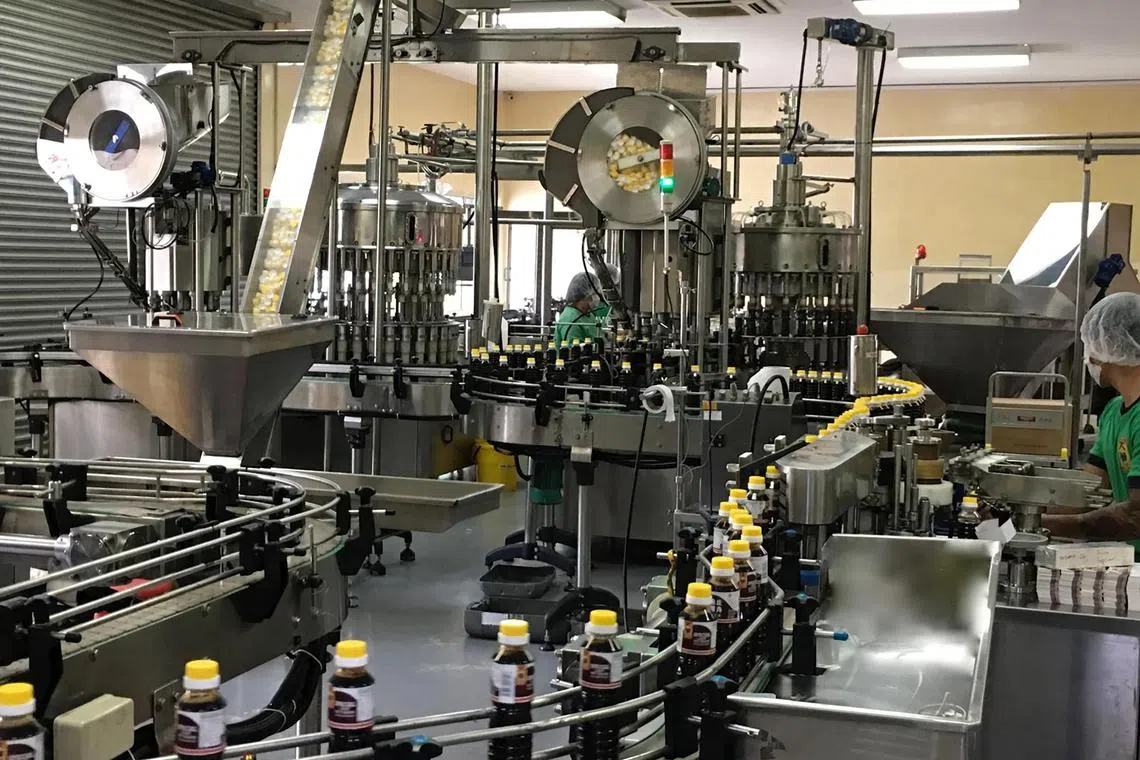
When energy prices spike halfway across the world, Singapore's food manufacturers feel the shockwave immediately. For Thomas Pek, a soya sauce maker based in Singapore, the current Middle East energy crisis represents one of the toughest periods his business has faced—even harder than navigating the Covid-19 pandemic.
The crisis is hitting manufacturers in multiple ways simultaneously. Rising energy costs directly inflate production expenses, forcing companies to make difficult decisions about pricing and profitability. But it's not just about electricity and fuel costs. The energy crisis is disrupting global supply chains, making raw materials more expensive and harder to secure.
Singapore's food manufacturing sector is particularly vulnerable because the nation relies heavily on imported ingredients and energy resources. Unlike larger countries with domestic energy production, Singapore must navigate volatile international markets for both power and raw materials. When Middle East energy prices surge, the costs cascade through every stage of production.
Manufacturers face an impossible balancing act. Raising prices to offset increased costs risks losing price-sensitive customers in a competitive market. Absorbing the costs themselves squeezes already-thin profit margins. Many are exploring alternatives—from energy efficiency improvements to sourcing ingredients from different suppliers—but solutions aren't quick or easy.
What makes this crisis particularly challenging is its persistence. Unlike the pandemic, which had a defined timeline, energy market volatility tied to geopolitical tensions could continue indefinitely. This uncertainty makes it difficult for manufacturers to plan investment in new equipment or expansion.
The broader implications extend beyond individual businesses. Food manufacturing is a significant part of Singapore's economy and export sector. If manufacturers struggle, it affects employment, economic growth, and Singapore's position as a regional food hub.
The industry is watching closely as policymakers and energy markets evolve. Some manufacturers are calling for government support, while others are banking on innovation and efficiency to weather the storm. One thing is clear: Singapore's food makers are learning that global energy crises have very local consequences.
No comments yet. Be the first!