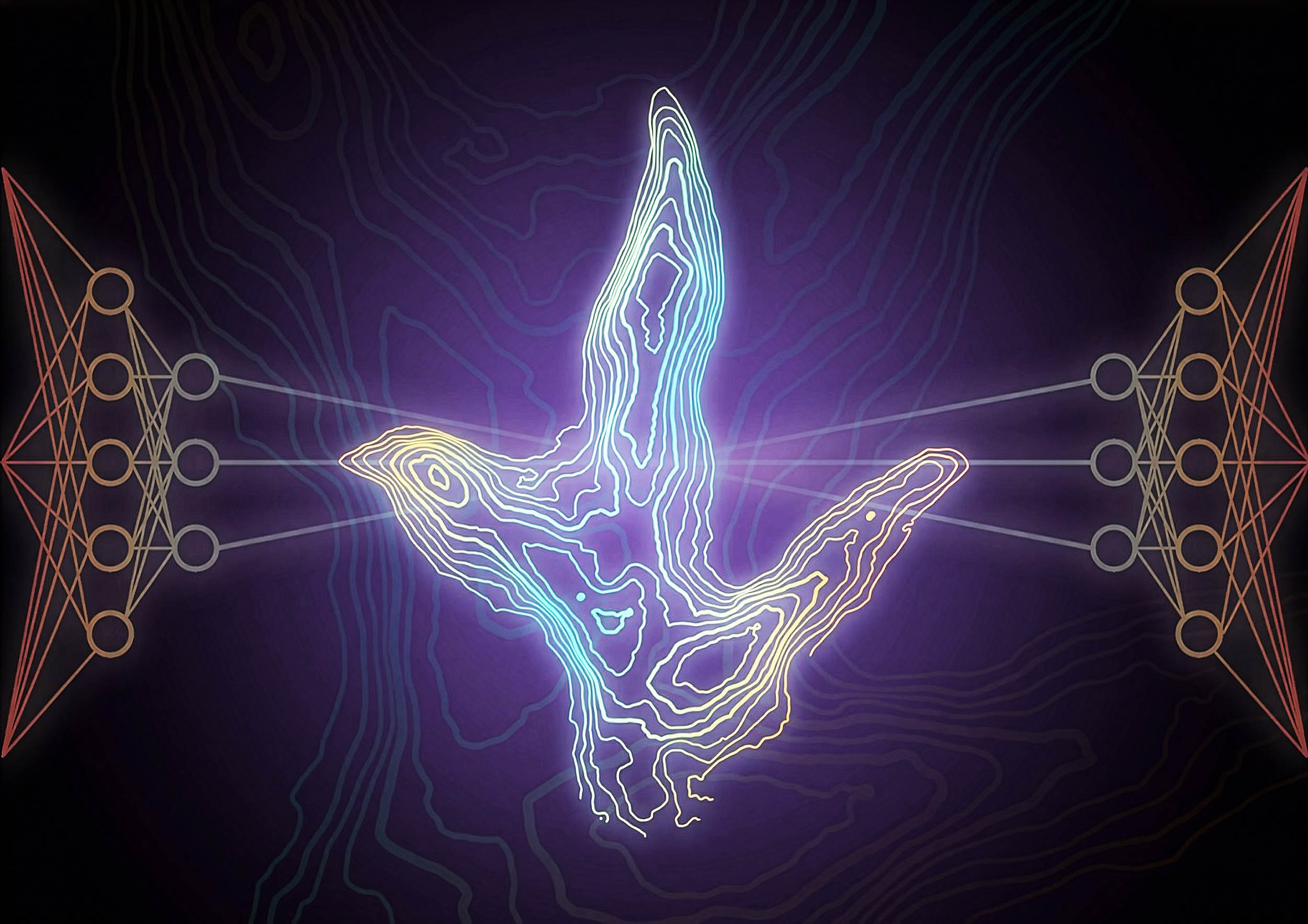
Dinosaur footprints are paradoxical gifts to paleontologists. On one hand, they offer some of the most direct evidence we have of how these ancient animals actually moved through real landscapes millions of years ago. On the other hand, they're notoriously frustrating to interpret. A footprint is never just a simple impression—it's a complex record shaped by the animal's weight, the substrate it walked on, the speed of movement, and countless other variables.
Traditionally, paleontologists have relied on careful observation, comparative anatomy, and years of experience to make sense of these tracks. But interpreting footprints has always been more art than science, leading to disagreements among experts and incomplete understandings of prehistoric animal behavior.
Now, artificial intelligence is changing the game.
Researchers have developed an AI tool specifically designed to analyze dinosaur tracks with unprecedented precision. The breakthrough came not from incremental improvements in dinosaur science, but from an unexpected direction: the tool began making discoveries about modern bird origins that surprised even the scientists who created it.
By training the AI on extensive datasets of footprints—both fossilized dinosaur tracks and prints from living animals—the system learned to identify subtle patterns that human eyes might miss. These patterns revealed something remarkable: connections between dinosaur locomotion and the way modern birds move that suggest deeper evolutionary links than previously understood.
What makes this discovery particularly exciting is how it happened. The AI wasn't specifically programmed to find bird-dinosaur connections. Instead, by objectively analyzing the biomechanical data embedded in footprints, it naturally identified similarities that pointed toward the evolutionary trajectory from dinosaurs to birds.
This finding has profound implications for paleontology. It suggests that some behavioral and locomotor traits we see in modern birds might be direct inheritances from their dinosaur ancestors, preserved in the fossil record through the footprints these animals left behind. The AI tool has essentially given paleontologists a new lens through which to view the deep evolutionary history of these remarkable creatures.
Beyond the specific discovery about bird origins, this work demonstrates the broader potential of artificial intelligence in paleontology. Fossils and their traces contain vast amounts of information—far more than any individual researcher can fully process. By applying machine learning to these datasets, scientists can identify patterns at scales and with consistency that would be impossible manually.
The implications extend beyond dinosaurs and birds. As researchers refine these AI tools and apply them to other fossil datasets, we may be on the verge of a new era in paleontology—one where artificial intelligence partners with human expertise to unlock secrets that have been locked in stone for millions of years.
The dinosaur footprints that puzzled scientists a century ago are finally starting to reveal their secrets. And this time, they're telling us stories we never expected to hear.
No comments yet. Be the first!