Heart failure affects millions of people worldwide, and for those who don't respond well to medication alone, cardiac resynchronization therapy (CRT) offers hope. This specialized pacemaker treatment synchronizes the heart's contractions to improve its pumping efficiency. However, not all patients benefit equally from the procedure—until now.
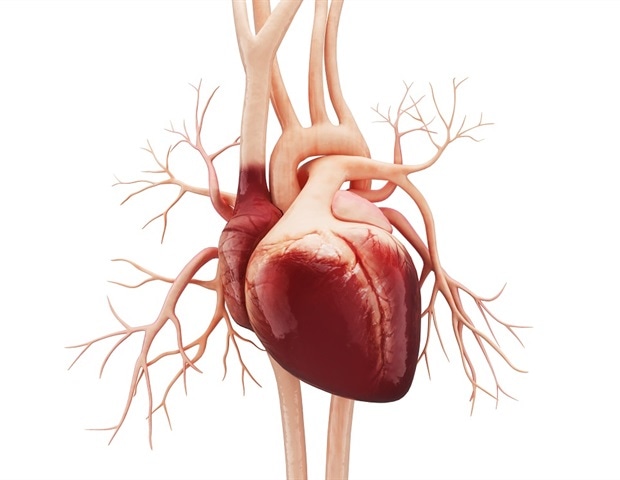
Enter a game-changing innovation from Calgary: a 4D digital heart model that's transforming how doctors approach CRT implantation. This cutting-edge technology creates a detailed, dynamic three-dimensional representation of each patient's heart, allowing physicians to plan and execute the procedure with unprecedented precision.
## The Problem with One-Size-Fits-All Medicine
Traditionally, CRT placement has been somewhat hit-or-miss. While the procedure helps many patients, success rates haven't been universal. Doctors have lacked a comprehensive way to visualize the patient's unique heart anatomy and function before surgery, making it difficult to optimize lead placement—the crucial positioning that determines whether the therapy will work effectively.
The 4D model changes this entirely. By providing a detailed anatomical roadmap, surgeons can now customize their approach for each individual patient, accounting for the specific characteristics of their heart structure and function.
## What the Research Shows
The evidence supporting this innovation is impressive. A national clinical trial examining the effectiveness of the 4D heart model has been published in Circulation: Arrhythmia and Electrophysiology, one of the most respected journals in cardiac medicine. The results demonstrate that this technology meaningfully improves outcomes for heart failure patients undergoing CRT.
What makes this breakthrough particularly exciting is that it's made right here in Calgary—a testament to Canadian innovation and the importance of local research initiatives in advancing global healthcare.
## Beyond Better Outcomes
The implications extend further than just improved success rates. By enabling more precise surgical planning, the 4D model may also reduce complications, shorten procedure times, and decrease the need for repeat interventions. For patients facing heart failure, this means not just a better chance of the treatment working, but potentially fewer risks and faster recovery.
Moreover, this technology represents a shift toward personalized medicine in cardiology. Rather than applying a standard protocol to every patient, physicians can now tailor the procedure to each person's unique heart anatomy and physiology.
## Looking Forward
As healthcare systems worldwide seek ways to improve outcomes while managing costs, innovations like the Calgary 4D heart model demonstrate the value of investing in research and development. This technology has the potential to become the standard of care for CRT procedures, improving quality of life for countless heart failure patients.
For those suffering from heart failure, this Calgary-born innovation offers renewed hope that their treatment can be optimized specifically for them. And for the medical community, it's a reminder that thoughtful technological advancement, grounded in rigorous clinical evidence, can truly transform patient care.
No comments yet. Be the first!