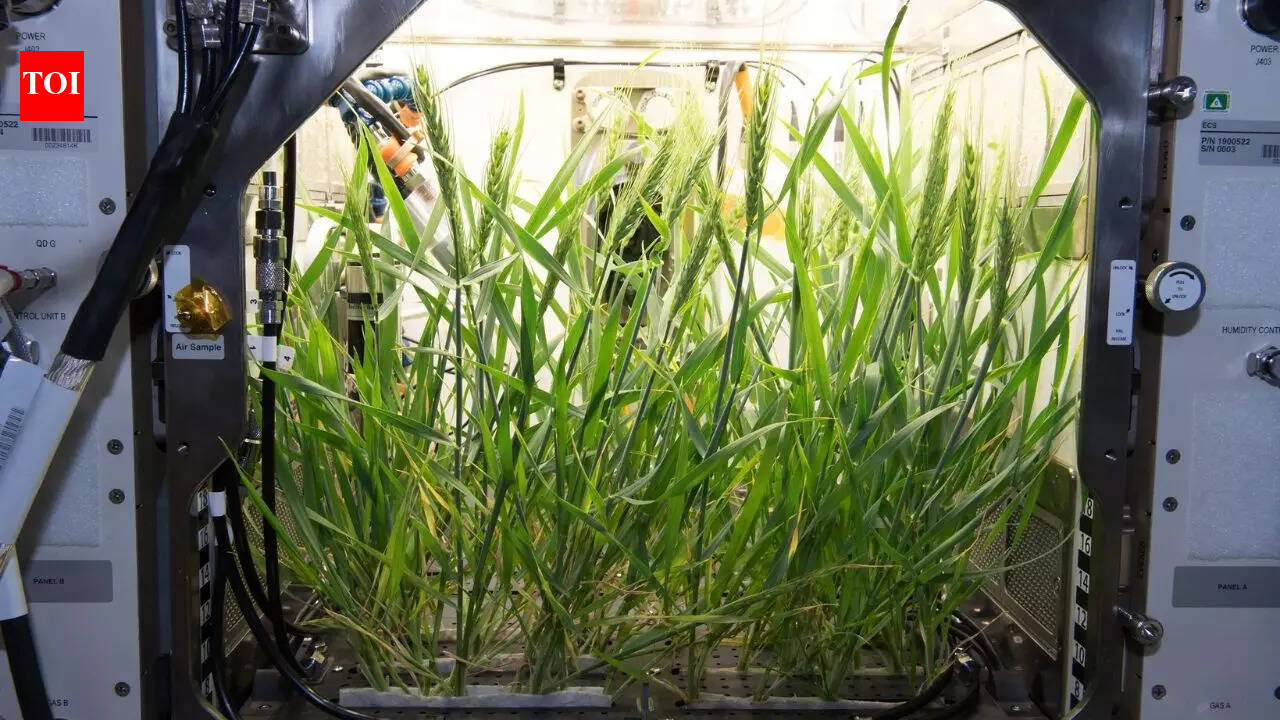
For decades, the dream of establishing permanent human settlements on the Moon and Mars has captured our imagination. But one critical challenge has loomed large: how do we sustainably feed astronauts living millions of miles from Earth? The answer, it turns out, might be hiding in plain sight—in recycled human waste.
Research scientists have now demonstrated that what we typically discard could become a valuable resource for growing crops beyond Earth. This represents nothing short of a paradigm shift in how we approach extraterrestrial living and long-term space exploration.
**The Science Behind the Solution**
The concept isn't as unpleasant as it might initially sound. Human waste contains essential nutrients and organic materials that, when properly processed, can be incorporated into soil systems to support plant growth. For space missions where every kilogram counts and resupply missions are few and far between, this closed-loop approach to agriculture could be genuinely transformative.
Previously, the prospect of extended habitation on the Moon or Mars seemed daunting without a sustainable food source. Astronauts would need to rely entirely on supplies shipped from Earth—an expensive and logistically challenging endeavor. Now, scientists suggest that with recycled waste properly managed, crops could flourish in controlled environments, potentially providing fresh food and critical psychological benefits for long-duration missions.
**Why This Changes Everything**
The implications are profound. A self-sustaining agricultural system would dramatically reduce the payload requirements for space missions, making colonization more feasible and economically viable. It also addresses one of the most fundamental human needs—nutrition—while promoting sustainability principles that align with modern values about environmental responsibility.
Beyond the practical benefits, successfully growing food from recycled materials in extraterrestrial environments would represent a remarkable achievement in circular economy principles. It demonstrates that with innovation and scientific advancement, we can transform perceived problems into opportunities.
**Looking Toward the Future**
While this research is still in its exploratory phases, the potential applications are exciting. As space agencies worldwide intensify their preparations for lunar bases and eventual Mars missions, solutions like this will become increasingly essential. The ability to produce food in-situ—meaning on location—rather than transporting it across space could be the key that unlocks sustainable human presence on other worlds.
This discovery reminds us that solutions to our greatest challenges often require us to think differently about resources we already have. As we venture further into space, we're learning that the path to the stars might well be paved with innovation rooted in sustainability and resourcefulness.
The future of space exploration isn't just about reaching new worlds—it's about learning to truly live in them. And it seems that future is closer than we thought.
No comments yet. Be the first!