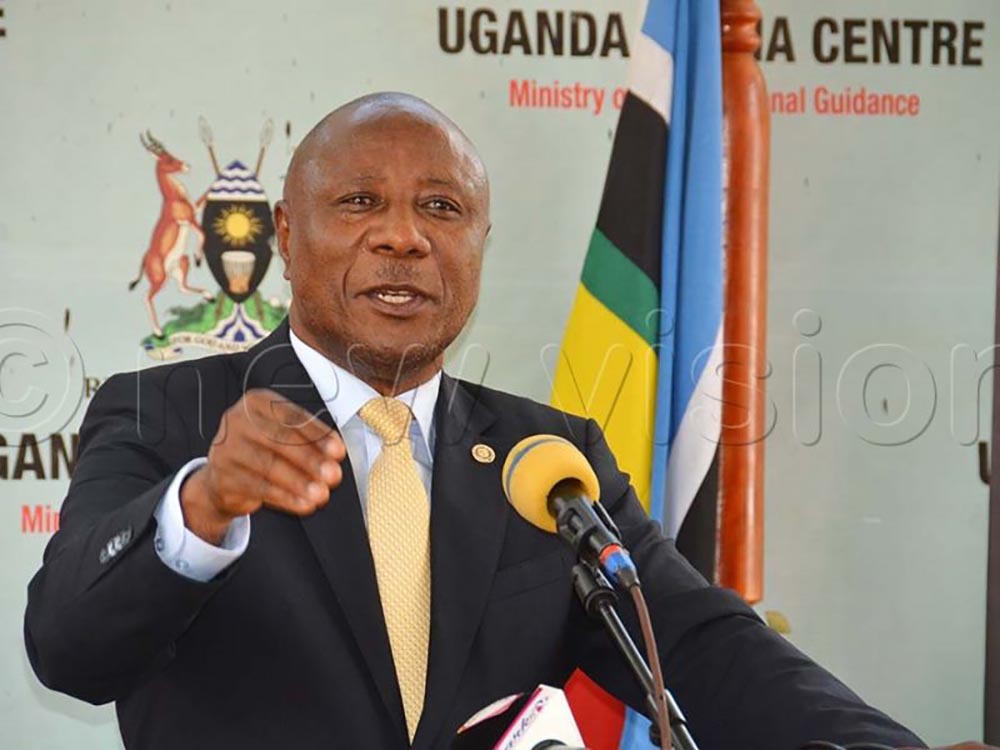
For years, social media has been dismissed as mere distraction—a place where people scroll mindlessly through content. But Uganda's government is rewriting that narrative, signaling a dramatic shift in how it views platforms like TikTok and X (formerly Twitter). Rather than treating these channels as frivolous social spaces, Kampala is now embracing them as powerful vehicles for job creation and economic growth.
This strategic pivot marks a turning point for Uganda's digital landscape. As the country's creator economy continues to flourish, policymakers have recognized an untapped opportunity: thousands of young Ugandans are already earning substantial incomes through content creation, yet this sector remains largely informal and unregulated. By moving to monetize and formalize the creator economy, Uganda aims to unlock significant economic potential while providing creators with legitimate pathways to sustainable income.
What makes this development particularly significant is its timing. Africa's youth population is booming, and many young people are seeking alternatives to traditional employment. The digital creator space offers exactly that—a flexible, accessible way to build careers and generate income without needing a conventional office job. Uganda, with its young and increasingly digital-savvy population, is particularly well-positioned to capitalize on this trend.
The government's initiative suggests several potential benefits. First, formalizing the creator economy could lead to better tax revenue and economic documentation. Second, it could encourage investment in digital infrastructure and skills training. Third, it sends a powerful message to the global creator community: Uganda is open for digital business. This could attract international collaborations and opportunities that further boost the sector.
Of course, moving a thriving informal economy into the formal sector comes with challenges. Creators have built sustainable livelihoods precisely because they operate with flexibility outside traditional structures. The key will be developing policies that support and encourage formalization without stifling the creativity and freedom that make social media creation attractive in the first place.
For Ugandan creators currently monetizing their content through TikTok's Creator Fund, YouTube partnerships, brand sponsorships, and direct audience support, this government recognition is validating. It acknowledges that what many dismissed as "just making videos" is actually legitimate work—work that generates real income, creates employment opportunities, and contributes meaningfully to the economy.
As Uganda moves forward with its monetization strategy, it joins a growing number of African nations recognizing the creator economy's potential. The move demonstrates that policymakers are finally catching up to the reality on the ground: digital content creation is not a passing fad, but a fundamental shift in how people work and earn in the 21st century.
Uganda's forward-thinking approach could serve as a blueprint for other developing nations looking to harness the economic power of their digital creators. By embracing rather than dismissing this emerging sector, Uganda is positioning itself as an African leader in the digital economy.
No comments yet. Be the first!