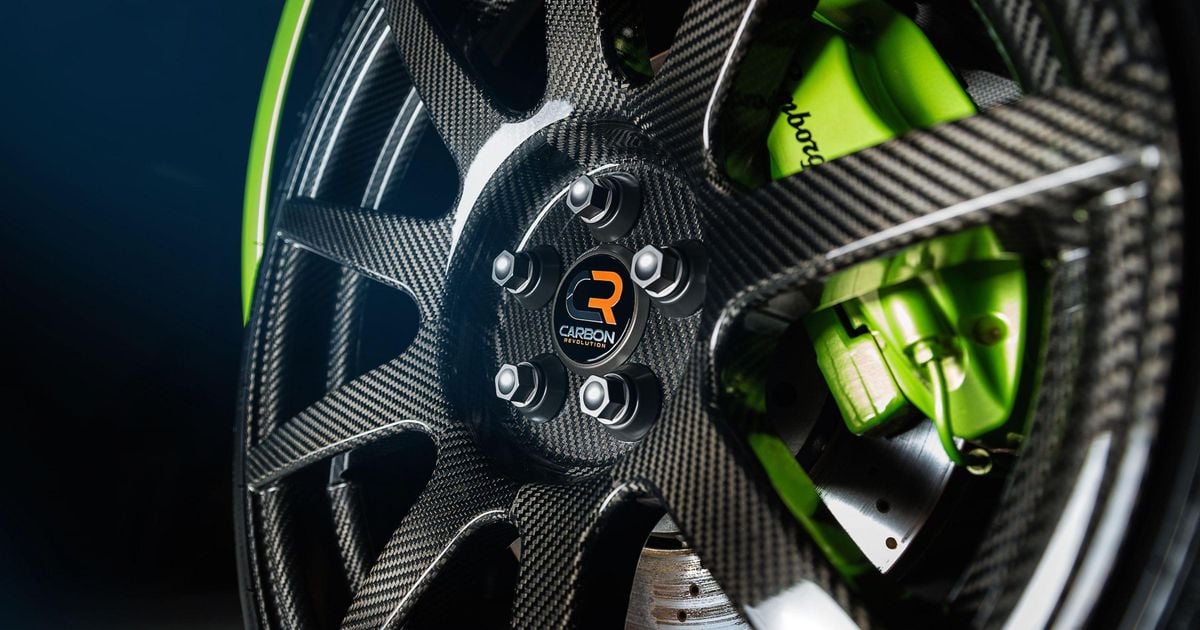
It's a story that encapsulates the volatility of the electric vehicle revolution. Carbon Revolution, once a darling of the automotive supply industry with a NASDAQ listing and a $500 million valuation, has entered voluntary administration. The Australian lightweight wheel manufacturer's downfall serves as a sobering reminder that innovation and prestigious client lists aren't always enough to weather economic storms.
Founded in 2007 by brothers Jake and Matt Dingle in Geelong, Carbon Revolution built an impressive resume. The company supplied carbon fiber wheels to Ferrari, Ford, and other major automakers, positioning itself at the cutting edge of automotive technology. Its lightweight wheels promised improved fuel efficiency and performance—exactly what the industry seemed to be demanding as it pivoted toward electrification.
But here's where the plot thickens: the very transition Carbon Revolution was betting on didn't materialize as expected. Major automakers have begun scaling back their EV ambitions, adjusting timelines, and reconsidering their electrification strategies. This sudden shift in market conditions proved devastating for a company whose growth projections were built on accelerating EV adoption.
The administration process will now determine the future of the company and its stakeholders. While voluntary administration doesn't necessarily mean the end—it's a formal process that allows companies to restructure or potentially be sold as a going concern—it does signal that internal efforts to turn things around weren't sufficient.
What makes Carbon Revolution's situation particularly poignant is the timing. The company went public expecting to capitalize on a wave of EV adoption that seemed inevitable. Supply chain disruptions, inflation, and shifting consumer preferences created headwinds that even established suppliers couldn't overcome. The lightweight wheel market, dependent on premium vehicle segments and high-volume EV production, proved more vulnerable than anticipated.
This isn't just about one Australian company—it's indicative of broader challenges rippling through the automotive supply chain. Thousands of suppliers globally have made significant investments betting on specific technologies and market trajectories. When those bets don't pan out as planned, the consequences can be swift and severe.
For investors, employees, and customers, Carbon Revolution's administration raises important questions about the sustainability of supply chains built on speculative timelines. It also highlights the risks inherent in being a specialized supplier in a rapidly changing industry. While the company's innovation was genuine and its products were world-class, innovation alone couldn't insulate it from macroeconomic and industry-wide headwinds.
As the automotive industry continues its complex transition toward electrification, Carbon Revolution's experience will likely be studied as a case study in market timing, risk management, and the dangers of over-extending based on growth projections that fail to materialize.
No comments yet. Be the first!