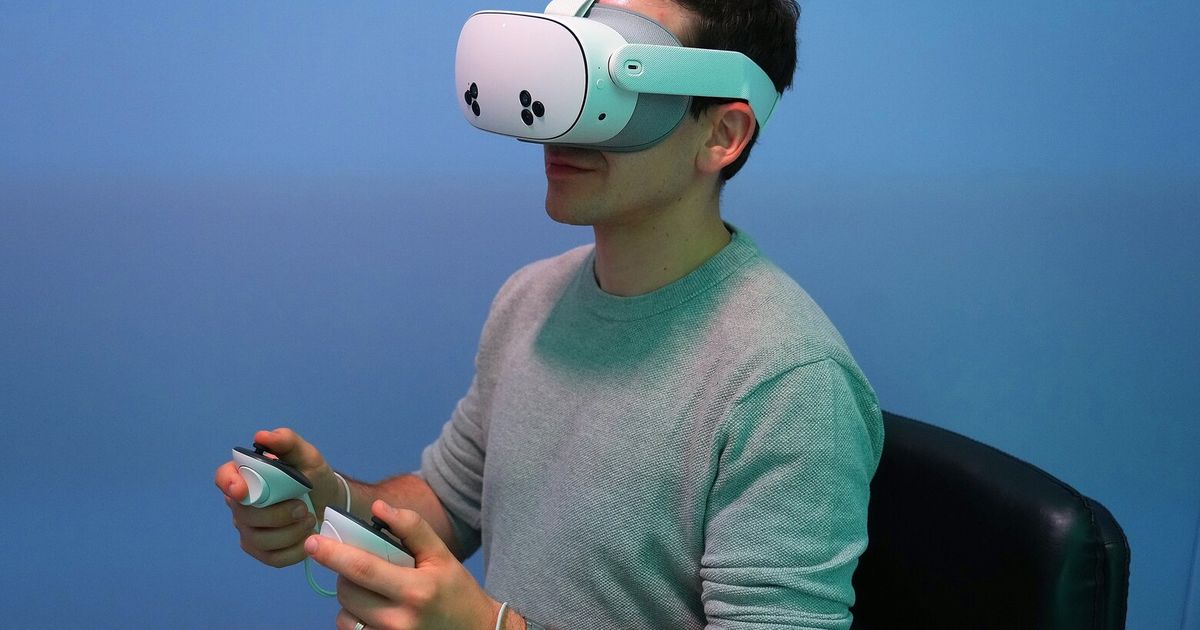
Remember when Mark Zuckerberg was all-in on the metaverse? Not long ago, the Meta CEO was painting an optimistic picture of our digital future: immersive virtual worlds where avatars could work, play, and interact in ways that felt almost real. The metaverse was supposed to be the next frontier of human connection, and Meta was positioning itself as the company to lead us there.
But something shifted.
Five years of massive investments, mixed consumer reception, and mounting pressure from shareholders have quietly reshaped Meta's narrative. The metaverse, once positioned as the future of the company, is now taking a backseat to artificial intelligence and other technological priorities. What was once Zuckerberg's passionate proclamation has become a strategic retreat—one that deserves closer examination.
The metaverse pivot wasn't accidental. Meta poured billions into developing virtual reality infrastructure, acquiring companies like Oculus and investing heavily in headset development. The company even rebranded itself from Facebook to Meta in 2021, a move designed to signal just how committed it was to this vision. For a time, it seemed like the metaverse wasn't just a project—it was the entire future of the company.
Then reality set in. Consumer adoption of VR remained slower than anticipated. The virtual worlds Meta built, while technically impressive, didn't capture mainstream imagination the way social media had. Headsets remained expensive and niche. And perhaps most importantly, the metaverse's value proposition—spending hours in a virtual world—began to seem less compelling to average users than the company had hoped.
Meanwhile, competitors weren't standing still. The rise of generative AI changed the technological landscape entirely, offering more immediate applications and broader appeal. Suddenly, building virtual reality worlds seemed like yesterday's innovation while AI represented tomorrow's opportunity.
Investors grew impatient. Meta's massive spending on metaverse development without proportional returns didn't sit well with Wall Street. The company faced questions about fiscal responsibility and whether billions in metaverse investment actually made business sense. The pressure mounted, and Meta's leadership began to recalibrate.
What we're witnessing now is the quiet deprioritization of Zuckerberg's pet project. It hasn't been formally abandoned—Meta still develops VR technology and maintains metaverse initiatives—but the company's energy and focus have clearly shifted elsewhere. The sweeping vision of immersive digital worlds has been replaced by more pragmatic, near-term priorities like AI chatbots, recommendation algorithms, and other technologies with clearer commercial applications.
It's a humbling reminder that even the most visionary leaders with seemingly unlimited resources can miss the mark. The metaverse represented a genuine attempt to imagine the future, but sometimes the future doesn't cooperate with our expectations.
For now, the metaverse remains on life support—not dead, but no longer the driving force it once was. And Zuckerberg's long farewell to his virtual reality dream continues, one refocused quarter at a time.
No comments yet. Be the first!