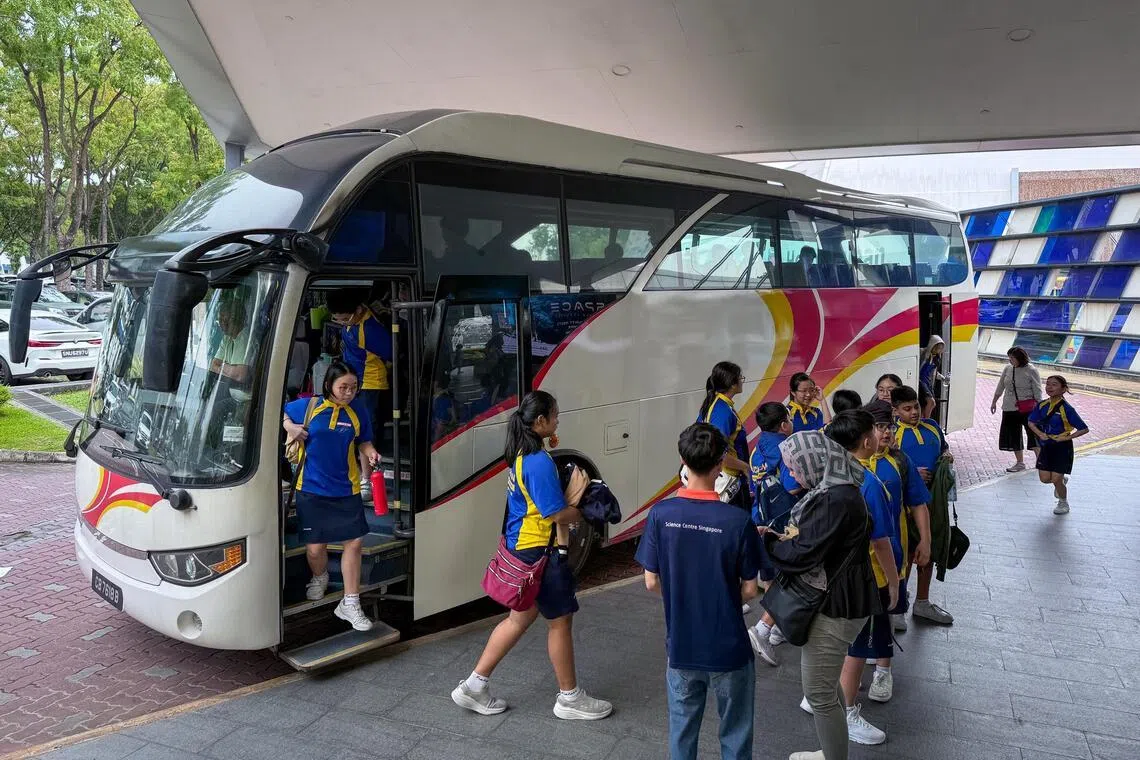
The squeeze is real for Singapore's private bus operators. With diesel prices shooting through the roof, these essential service providers have been caught between a rock and a hard place—keeping fares reasonable for commuters while watching their operational costs spiral out of control.
The Government's temporary relief package announced on April 9 has certainly helped ease the immediate pressure. For many operators, this support represents a crucial lifeline during an unprecedented fuel crisis. However, beneath the surface of this short-term victory lies a deeper concern: what happens when the temporary measures expire?
Operators are understandably worried about their longer-term prospects. The volatility of global fuel prices means that today's relief could become tomorrow's crisis. Some are already preparing contingency plans and exploring alternative strategies to maintain financial stability.
This situation highlights a fundamental challenge in the transportation industry: the delicate balance between operational sustainability and public welfare. Bus operators need to remain profitable to continue providing reliable services, yet they also bear responsibility for keeping public transport affordable and accessible to all Singaporeans.
Industry experts suggest that the solution likely involves a combination of approaches. Beyond temporary subsidies, potential long-term strategies could include investments in fuel-efficient vehicles, exploration of alternative energy sources, or restructured subsidy frameworks that provide more stability.
The Government's intervention demonstrates recognition of the critical role private bus operators play in Singapore's transport ecosystem. However, stakeholders across the industry agree that a more comprehensive, forward-looking approach will be needed to ensure the sector's resilience.
As Singapore navigates this challenging period, the bus industry serves as a microcosm of broader economic pressures affecting businesses nationwide. The coming months will be crucial in determining whether current measures can bridge the gap until markets stabilize, or whether more substantial interventions will be required. For now, operators and commuters alike are watching closely to see how this situation unfolds.
No comments yet. Be the first!