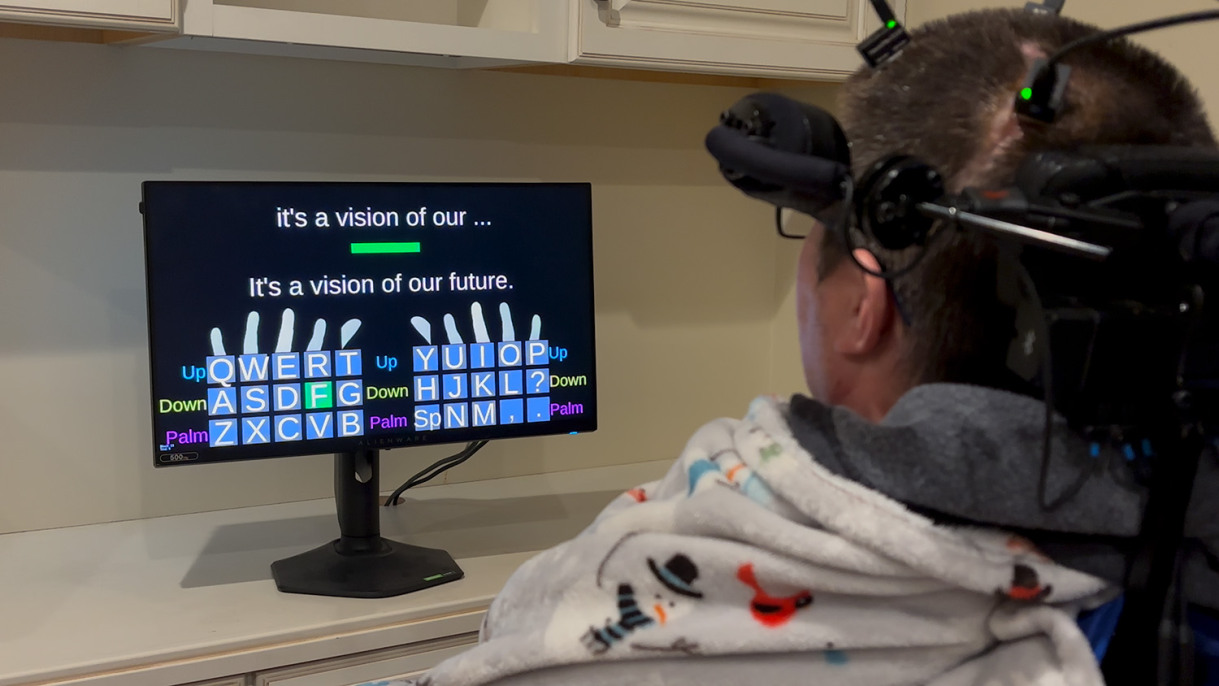
For people living with severe paralysis, one of the cruelest aspects of their condition isn't just the loss of physical movement—it's the loss of voice. Unable to speak or type, many find themselves locked away from meaningful communication with loved ones and the world around them. But a groundbreaking study from Mass General Brigham Neuroscience Institute and Brown University is offering a beacon of hope.
The research team has successfully demonstrated that brain-computer interface (BCI) technology can enable rapid, two-way communication between two people with paralysis. This isn't science fiction—it's happening right now, and it's transforming lives.
So how does it work? The technology relies on implanted electrodes that detect neural signals directly from the brain. Participants can think about movements, and the system translates those thoughts into communication. What makes this breakthrough particularly exciting is that it works for direct brain-to-brain communication, allowing two paralyzed individuals to exchange messages without needing to type or speak.
The implications are profound. Communication isn't just about exchanging information—it's about maintaining human connection, preserving dignity, and staying engaged with the world. For people with paralysis, the ability to communicate can mean the difference between isolation and inclusion, between feeling forgotten and feeling valued.
What sets this research apart from previous BCI studies is the speed and reliability demonstrated by the two participants. They were able to communicate at rates that make real-time conversation possible, not just the laborious, single-word-at-a-time communication that earlier technologies offered. This level of functionality opens doors that seemed permanently closed for people with severe paralysis.
The collaborative effort between Mass General Brigham and Brown University represents the cutting edge of neurotechnology research. These institutions have been at the forefront of developing BCIs that don't just restore function, but restore humanity and connection to people's lives.
Of course, this technology is still emerging, and broader availability will take time. Research studies like this one are critical steps toward making BCIs more accessible and effective for larger patient populations. Each breakthrough brings us closer to a future where severe paralysis doesn't mean a loss of voice.
For the two participants in this study, this technology represents freedom they thought was lost forever. They can now communicate their thoughts, feelings, and needs directly—a capability that most of us take for granted but that many with paralysis have been denied.
As neurotechnology continues to advance, stories like this remind us why this research matters so deeply. It's not just about data and brain signals; it's about restoring the fundamental human right to communicate and connect. And that's something worth celebrating.
No comments yet. Be the first!