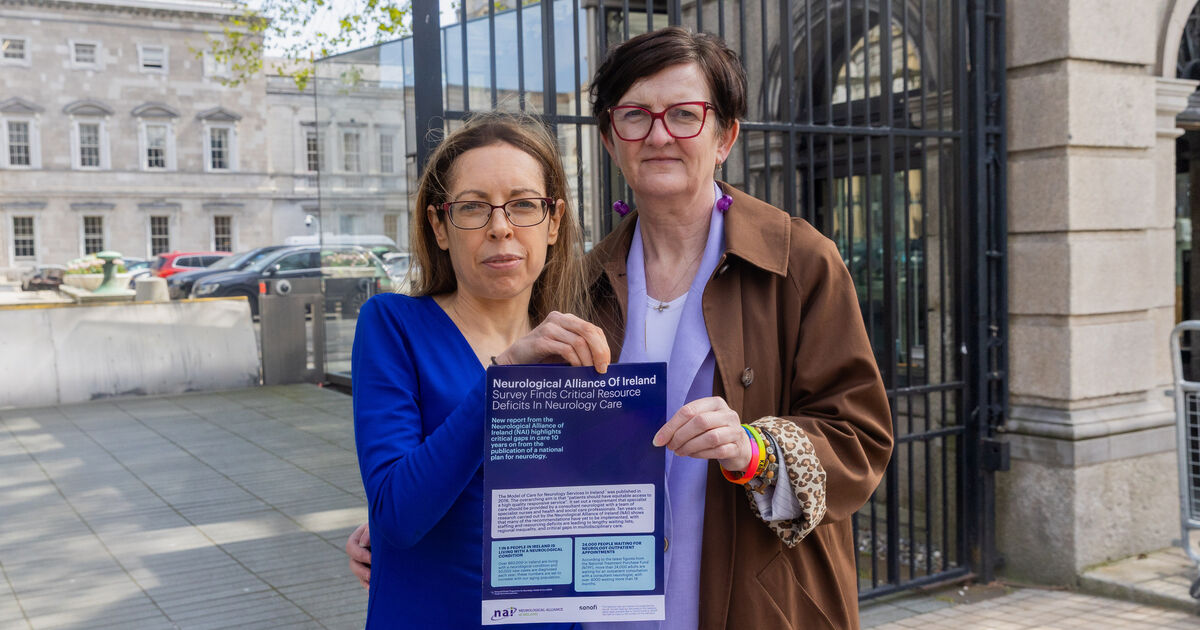
Ireland's healthcare system is failing neurological patients outside Dublin, and it's time we talk about it. A troubling disparity has emerged between capital-based care and regional services, leaving thousands of patients with conditions like Parkinson's, motor neurone disease (MND), and epilepsy without access to the specialized therapists they desperately need.
The problem runs deeper than just distance. Even when patients manage to secure appointments at larger hospitals in their own counties, they face a stark reality: there simply aren't enough dedicated neurological therapists available. This means individuals requiring occupational therapy, physiotherapy, and speech and language therapy are left in the lurch, unable to access the crucial support that could improve their quality of life.
What makes this crisis particularly troubling is that these aren't optional luxuries—they're essential components of neurological care. Patients with progressive conditions like MND need consistent therapeutic intervention. Those managing Parkinson's require specialized support to maintain mobility and independence. Epilepsy patients need expert guidance for seizure management and lifestyle adjustments.
Experts are warning that this two-tier system isn't just unfair; it's unsustainable. The human cost is immeasurable. Patients spend hours traveling to Dublin for appointments, only to be left without follow-up care in their home regions. Families struggle to coordinate fragmented services across multiple locations. Meanwhile, conditions that could be better managed with local therapeutic support continue to deteriorate.
The inequality extends beyond patient outcomes. It's also about dignity and access to basic healthcare rights. Someone living in Louth shouldn't have to choose between traveling three hours for treatment or going without it. That's not healthcare equity—that's healthcare abandonment.
This situation demands urgent action from policymakers and healthcare administrators. Ireland needs investment in regional neurological services, recruitment of specialized therapists outside Dublin, and a commitment to ensuring that excellent care isn't determined by postal codes. Every neurological patient deserves access to the support they need, regardless of where they live.
No comments yet. Be the first!