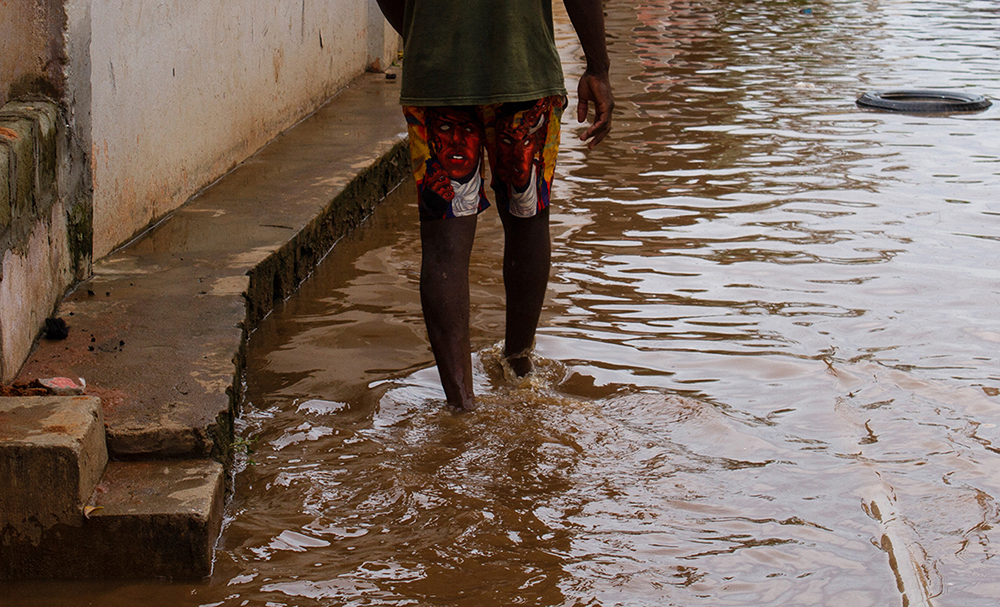
When the skies opened over Angola on Sunday, few could have anticipated the catastrophic chain of events that would unfold. Torrential rains swept across the country, triggering flash floods that transformed ordinary streets into rivers of destruction and left entire communities reeling in their wake.
The numbers tell a sobering story: 15 confirmed deaths and over 4,000 homes flooded, with thousands of people displaced from their communities. Emergency services reported that the hours-long storm didn't just cause property damage—it fundamentally disrupted the lives of countless Angolans who now face an uncertain path forward.
In the capital, Luanda, the impact was particularly visible. Streets became impassable rivers, infrastructure crumbled under the force of rushing water, and residents found themselves trapped, waiting for rescue. The speed and ferocity of the flooding caught many off guard, leaving little time for preparation or evacuation.
What makes this disaster especially concerning is how it highlights the vulnerability of communities facing extreme weather events. Flash floods are among nature's most unpredictable and destructive phenomena—they offer little warning and can strike with devastating force in a matter of hours. For Angola, a nation still developing its disaster management infrastructure, the challenges of responding to such crises are immense.
Emergency services have been working tirelessly to reach affected areas, coordinate rescue operations, and provide aid to those displaced. However, the scale of the disaster means that recovery will be a long process. Displaced families need shelter, clean water, and access to medical care. Communities need help rebuilding their homes and restoring essential services.
As Angola confronts this natural disaster, the international community watches and waits. These events serve as stark reminders of how climate change and extreme weather patterns are increasing the frequency and intensity of such disasters across Africa. For Angola, the road to recovery begins now—but it's a journey that will require sustained effort, resources, and solidarity from both within and beyond its borders.
The people of Angola are resilient, but they shouldn't have to face such challenges alone.
No comments yet. Be the first!