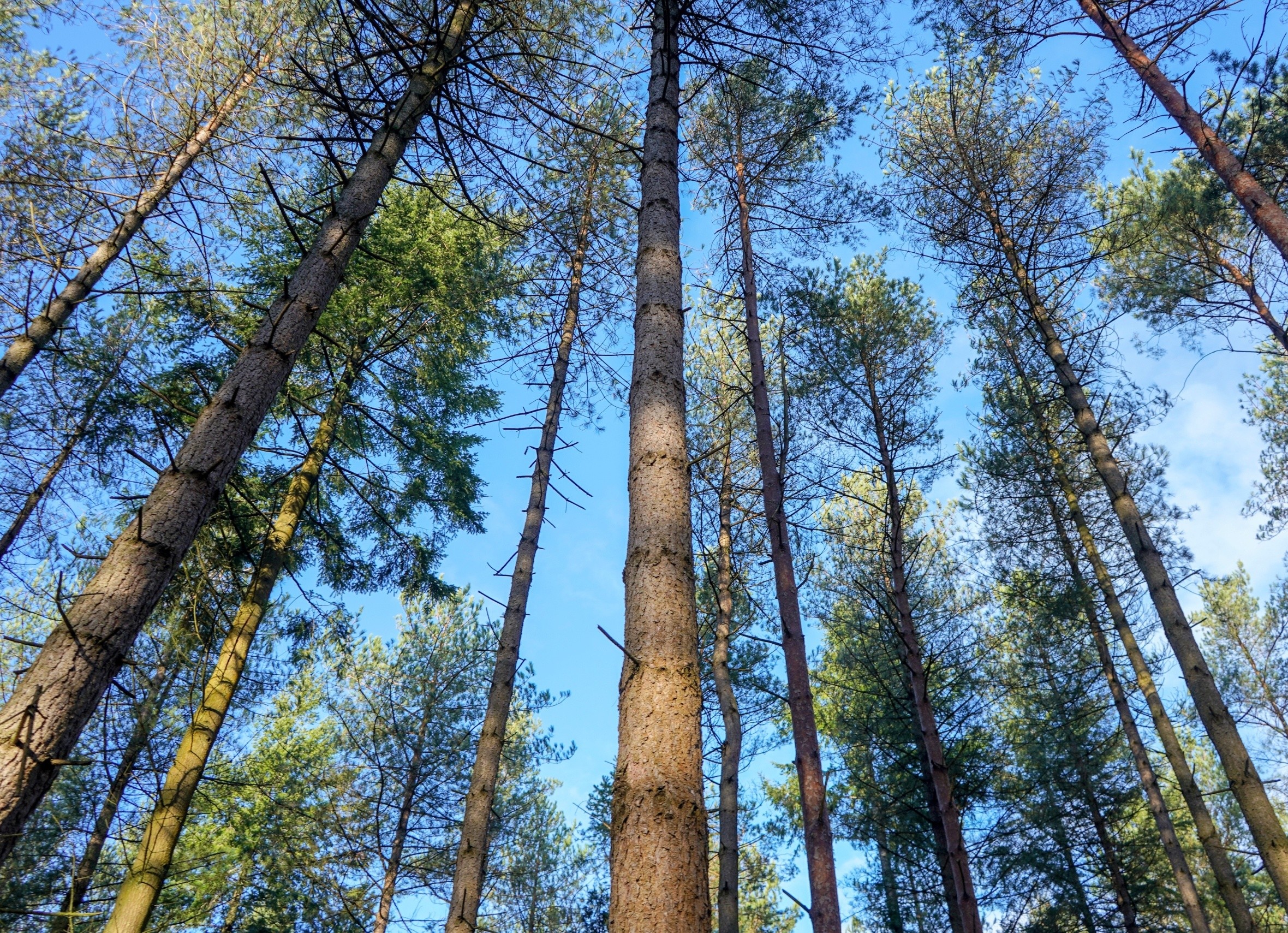
For decades, we've known that forests play a crucial role in combating climate change. They absorb carbon dioxide, produce oxygen, and support biodiversity. But a groundbreaking new study reveals we've been dramatically underestimating just how powerful these natural carbon vaults really are.
The research shows that old-growth forests—those ancient woodlands that have been left largely untouched by human activity—hold far more carbon than managed forests. This isn't just a minor difference; we're talking about substantially greater carbon storage capacity. The implications? Our climate change strategies may need a serious rethink.
**What Makes Old-Growth Forests Special?**
Old-growth forests have had centuries, sometimes millennia, to develop and mature. Unlike younger, managed forests that are harvested and replanted on shorter cycles, these ancient ecosystems have accumulated massive amounts of biomass. The trees are larger, the soil is richer, and the entire ecosystem is more complex and resilient.
What's particularly fascinating is that these forests continue to sequester carbon even as they age. Scientists previously assumed that mature forests would stop actively storing additional carbon, but this new evidence suggests otherwise. Old-growth forests function as long-term carbon storage facilities, quietly working to mitigate our changing climate.
**Why Does This Change Everything?**
This discovery has profound implications for climate policy and conservation strategy. If old-growth forests are carbon superstars, then protecting them becomes even more critical than previously understood. Every ancient forest we preserve represents a massive amount of carbon kept out of our atmosphere.
Conversely, when we harvest or degrade old-growth forests, we're not just losing trees—we're releasing substantial stores of carbon that took centuries to accumulate. The climate impact of losing these forests is far greater than current carbon accounting methods may reflect.
**The Conservation Question**
For policymakers and conservation organizations, this research presents both a challenge and an opportunity. The challenge lies in protecting these forests against economic pressures and development. The opportunity comes from having a clearer, more compelling reason to do so.
Managed forests certainly have their place and provide important resources. But this study highlights the irreplaceable value of old-growth ecosystems. We simply cannot recreate in 50 years what nature has built over 500.
**What Comes Next?**
This research should accelerate global conversations about forest protection and climate action. Countries around the world are grappling with how to meet climate goals, and this discovery adds weight to the argument that preservation might be as important as reforestation.
The message is clear: nature has been our ally in the fight against climate change all along. Old-growth forests represent millions of years of evolution and accumulation, creating systems far more valuable than we realized. By protecting these ancient guardians, we're not just preserving biodiversity—we're safeguarding our planet's climate stability.
The science is in. Now it's time for action.
No comments yet. Be the first!