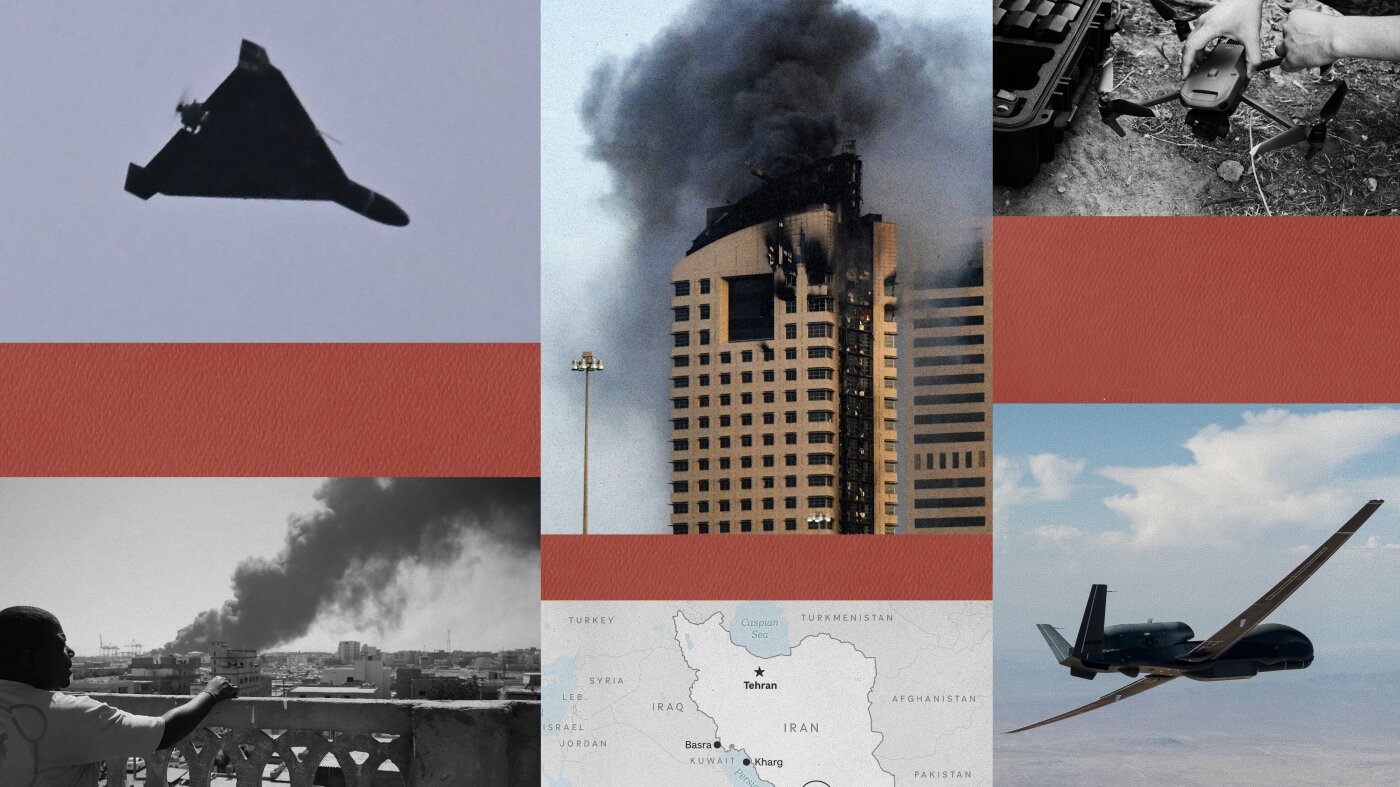
In the skies above Erbil, Iraq, something remarkable and troubling was happening. As drones streamed overhead in coordinated waves, journalist Wladimir van Wilgenburg captured stunning footage showing U.S. defense systems working overtime to intercept incoming threats. The scene was dramatic, but it also raised an uncomfortable question: Had the United States fundamentally underestimated Iran's drone capabilities?
The evidence suggests the answer may be yes.
Iran's drone attack represented a significant escalation in regional tensions, sending a stark message about Tehran's military ambitions. What made the attack particularly noteworthy wasn't just its execution—it was the sheer volume of unmanned aerial vehicles involved. The coordinated nature of the strikes demonstrated a level of sophistication that caught many observers by surprise, forcing military analysts and policymakers to reconsider their previous assessments of Iranian technology.
According to military experts cited in recent analysis, the U.S. intelligence community may have underestimated both the quantity and quality of drones Iran had developed. For years, Iran's unmanned systems were often dismissed as crude or limited in capability. This assessment now appears to have been dangerously optimistic. The attack provided a real-world test case showing that Iran has invested heavily in drone technology and operational doctrine, creating a genuine threat to U.S. military installations and personnel across the Middle East.
The implications are sobering. If U.S. defenses struggled to manage a single coordinated attack, how would they handle a larger or more sustained campaign? The question isn't just academic—it's a matter of force protection and strategic planning for American military commanders operating in the region.
What makes this situation particularly significant is what it reveals about intelligence gaps and threat assessment. Military planners typically prepare for threats they anticipate, but the Iranian drone attack suggests there may be blind spots in U.S. understanding of adversary capabilities. This dynamic is especially dangerous in the Middle East, where tensions are already elevated and miscalculation could have serious consequences.
Experts point to several contributing factors. Iran has had years to develop and refine its drone program, learning from both its own experience and observing how other nations use unmanned systems. Meanwhile, U.S. focus has been divided across multiple theaters and threats, potentially leaving Middle Eastern developments under-resourced in intelligence circles.
Moving forward, the situation demands a reassessment. The U.S. military will need to invest in enhanced air defense capabilities, improve intelligence collection on Iranian drone programs, and develop tactics for managing swarm attacks. Additionally, military leaders must adopt more conservative assumptions about adversary capabilities rather than assuming previous assessments remain accurate.
The drone attack over Erbil serves as a reminder that in military affairs, complacency can be costly. Whether the U.S. truly underestimated Iran's drone threat, the attack has certainly forced a recalibration of threat perceptions—and that shift in understanding may be the attack's most significant consequence.
No comments yet. Be the first!